
Contributing to the global goals
Our efforts support the United Nations 2030 Agenda for Sustainable Development.
In 2015, the UN launched 17 Sustainable Development Goals (SDGs) to address global challenges, including poverty, inequality, climate change, environmental degradation, and peace and justice.
We continue to work hard so that our business contributes to these goals. We monitor our progress and report it annually.
Nestlé and the Sustainable Development Goals
12.8
million

197.8
billion

45000

Learn more in the Social Disclosures section of our 2025 Non-Financial Statement (pdf, 16Mb).
1 Learn more in the Nestlé Income Accelerator Program 2026 progress report (pdf, 2Mb).
Supporting the resilience of food and agriculture
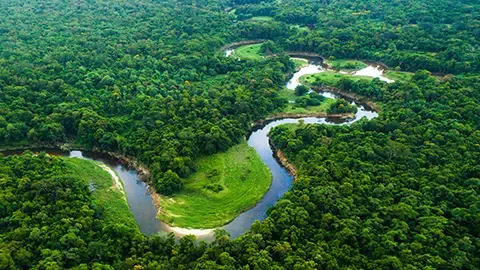
By advancing regenerative food systems at scale and working with farmers to support their transition to regenerative agriculture practices, we aim to contribute to more resilient food systems.
-
A good life from the start Supporting a balanced approach to nutrition - one that delivers the essential nutrients- can help promote balanced eating habits for individuals, families and communities.READ MORE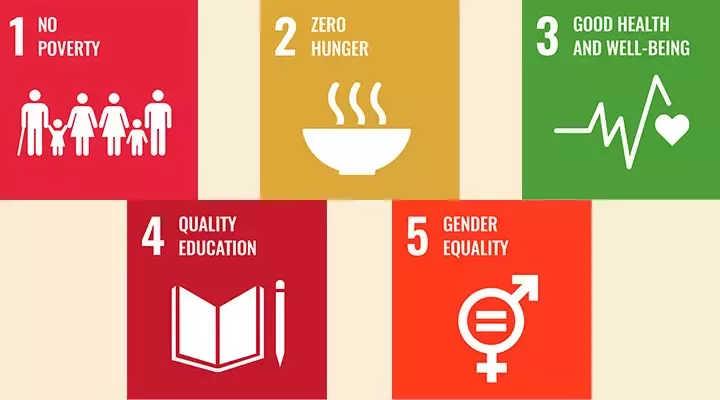
-
Human rights are inextricably linked to our shared future By advancing human rights in our value chain, we can help transform food systems and build a foundation that contributes to a just transition.READ MORE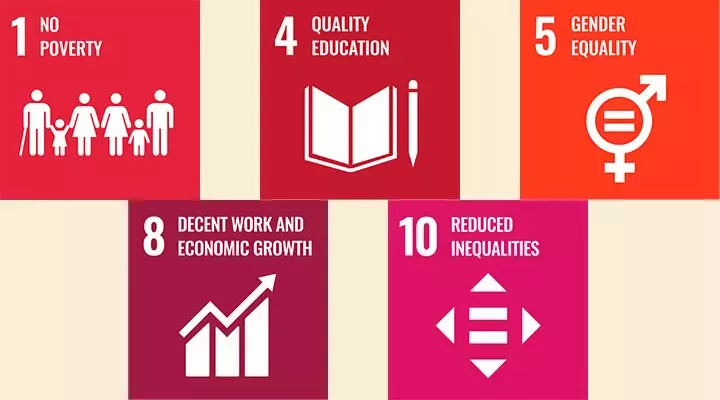
-
Nestlé needs YOUth We believe work should offer dignity, respect and fair pay, and as a major global employer, we are proud that we provide employment to hundreds of thousands of people worldwide. We are especially interested in empowering young people. Through our global youth initiative, we provide young people with skills and education, offering help to young entrepreneurs and we promote agriculture to make it a more attractive sector for young people.READ MORE
-
Advancing regenerative food systems We recognize how deeply connected food systems are to the planet's resources. We all have a part to play in helping make regenerative food systems a reality.READ MORE
-
Water is essential to life and our business Water is the planet's most precious resource and access to it is a fundamental human right. It is also essential to our business, the crops grown by our suppliers and the processes used to manufacture our products.READ MORE
-
Partnerships for the goals Nestlé is collaborating through partnerships with many different stakeholder groups.READ MORE
Key terms explained
Advancing regenerative food systems at scale
Advancing regenerative food systems at scale
Nestlé's intention to advance regenerative food systems at scale means:
- Advancing: by raising Nestlé's voice and using its influence to drive progress, in collaboration with others.
- Regenerative food systems: that go beyond reducing harm to actively restoring ecological systems, while at the same time strengthening the social, economic and human rights foundations that food production depends on - so that food systems can sustain nature, people and livelihoods over the long term.
- At scale: because the planet, communities and individuals need global, systems-level change.
Read more about regenerative food systems.
Regenerative agriculture
In line with the Sustainable Agriculture Initiative Platform, Nestlé defines regenerative agriculture as an approach to farming which aims to conserve and restore natural resources, primarily soil, as well as water and biodiversity, while capturing carbon in soils and plant biomass, and to support farmers' livelihoods. Examples of regenerative agriculture practices include reduced tillage and agroforestry. More information is available in our Nestlé Agriculture Framework (pdf, 19Mb). Read more about regenerative agriculture.
Just transition
Just transition refers to a framework aimed at making the shift towards regenerative food systems at scale as fair and inclusive as possible, creating decent work opportunities and minimizing negative impacts on farmers, workers and communities. It encompasses a range of actions aimed at mitigating the negative social and economic impact of climate and agriculture action, while maximizing the benefits for all stakeholders, especially those most vulnerable (e.g. farmers, women, migrant workers), for example, through building resilience, improving livelihoods and promoting human rights. It requires anticipating, preventing and addressing the social and economic risks associated with climate and agricultural transitions, while supporting the fair sharing of benefits, such as improved resilience, productivity and income opportunities, particularly with smallholder farmers, workers, women and migrant workers who may be disproportionately affected. Read more about just transition.