
Fish and seafood sourcing
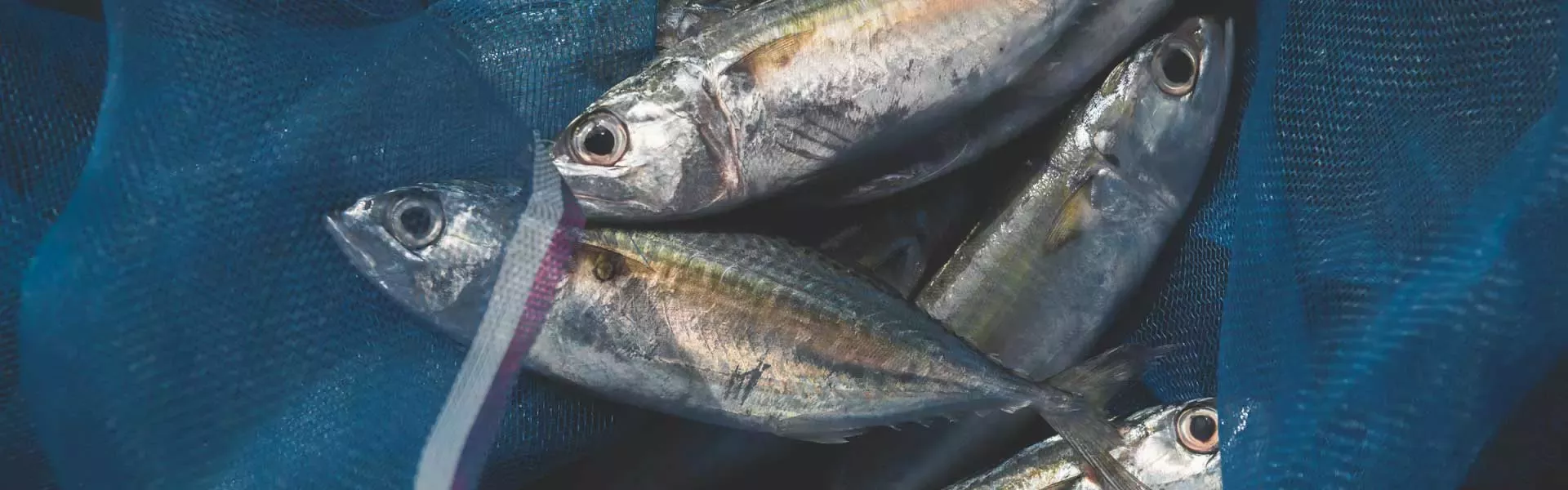
We collaborate on innovative solutions to tackle the most pressing challenges faced by the seafood industry, such as labor conditions and poor environmental practices, as well as illegal, unreported and unregulated fishing.
In addition, there are challenges related to identifying the precise sources of fish. Pet food products, our main use of these raw materials, primarily uses fish by-products - the cuts and trim remaining after fillets have been removed for human consumption. Typical traceability mechanisms for whole fish are insufficient, and sourcing by-products makes identifying the origins even more complex.
Our approach to sourcing fish and seafood
Nestlé Purina’s pet food products utilize fish by-products, a practice that uses all the protein sources of a fish while not competing with the human food supply.
We understand the importance of traceability and processes that prioritize ecosystem health and fishers’ rights. We are taking actions to advance in the verification that the fish and seafood we source come from fisheries and farms that meet our Responsible Sourcing Core Requirements.
To better identify the origins of fish products, we work closely with our suppliers to collect relevant data. This includes information on the species, country of origin and the fishery from where the fish originated, along with the fishing practices used. After we collect origin information, we work with our trusted partners Monterey Bay Aquarium and the Sustainable Fisheries Partnership (SFP) to assess risk at the origin of our seafood supply.
Transparency
To drive industry-wide transparency, we publish the list of our seafood fishing zones in our supply chain and countries of origin (pdf, 100Kb).
Working with industry partners to help improve fishing practices
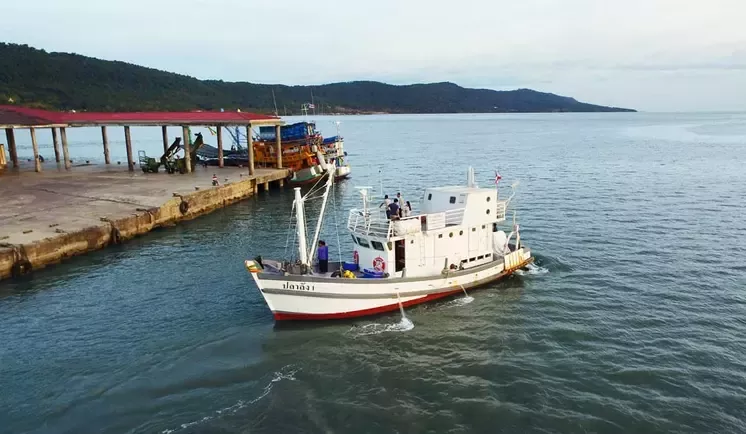
Illegal, unreported and unregulated (IUU) fishing is a key environmental challenge facing us all. Nestlé reviews its catch to identify and assess the risk of seafood originating from IUU fishing practices, or from critically endangered or endangered species of fish (according to the International Union for Conservation of Nature Red List or listed under CITES Appendix I).
The aim is to avoid that our seafood purchases are caught with highly destructive fishing gear or methods, and that they do not come from 'no-take zones', Marine Protected Areas or from vessels practicing trans-shipment at sea (transferring goods from one vessel to another while in transit). We then work with our suppliers on sourcing from origins, employing fishing practices in line with our standards.
To support work on responsible sourcing of seafood, we participate in multiple projects and industry collaborations, including:
- Nestlé is a member of the Global Roundtable on Marine Ingredients, a pre-market entity whose objective is to increase the availability of marine ingredients over the long term. The Roundtable was launched in October 2021 and is actively supporting capacity-building efforts in West Africa and Southeast Asia.
- Nestlé is proud to be working with the Sustainable Fisheries Partnership on the development of a new program, The Bycatch Solutions Hub. It will be an online, interactive platform intended to highlight voluntary, industry-led adoption of identified best practices relating to ocean wildlife.
Key terms explained
Responsible sourcing
For Nestlé, responsible sourcing means improving the traceability of our ingredients and monitoring how they are produced. This involves applying our environmental and human rights requirements - detailed in our Responsible Sourcing Core Requirements (pdf, 2Mb) - at the different stages of our supply chain. Examples of these requirements include that land and resources of Indigenous Peoples and local communities are respected, and that no deforestation and no conversion of forests and other ecosystems occur in our supply chain. Read more about responsible sourcing.
Responsible sourcing
For Nestlé, responsible sourcing means improving the traceability of our ingredients and monitoring how they are produced. This involves applying our environmental and human rights requirements - detailed in our Responsible Sourcing Core Requirements (pdf, 2Mb) - at the different stages of our supply chain. Examples of these requirements include that land and resources of Indigenous Peoples and local communities are respected, and that no deforestation and no conversion of forests and other ecosystems occur in our supply chain. Read more about responsible sourcing.
Responsible recruitment
Responsible recruitment is recruitment carried out in a manner that respects and protects workers' rights, is free from fees charged to workers, and prevents exploitation, forced labor, and human trafficking.
Tackling labor rights abuses through collaboration
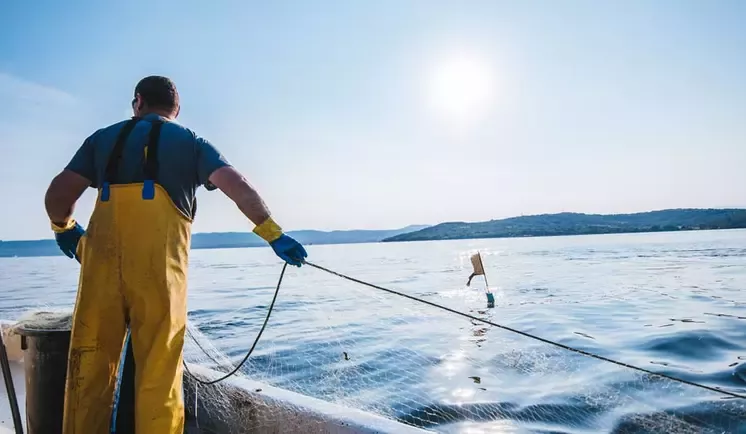
As part of our Human Rights Framework, we have developed action plans for the most salient issues in our supply chains. Labor rights violations have been identified as key challenges within the fish and seafood supply chain, representing a particular risk for Nestlé in Thailand.
In 2023, Nestle's partner Verité completed a lengthy and comprehensive human rights risk assessment of all countries where our seafood is processed, all countries from which farmed fish is sourced, and all vessel flags from which wild fish is sourced. We are using this information to identify high-risk sources of supply and developing a human rights plan to further assess on the ground at the source, and take actions to address, potential risks of worker rights abuses and human rights violations.
This work is in addition to our current efforts in Thailand, which we undertake alongside our partners, industry association the Seafood Taskforce and our suppliers. Together, we have been taking action to address these challenges in our supply chain. We also work with the non-governmental organization, Issara Institute, which provides workers with grievance mechanisms.
Among the actions we have taken are:
- Deployment of Issara Institute’s worker voice and remediation tools throughout our supply chains.
- Requiring responsible recruitment of workers into Thai seafood-processing facilities in our supply chain, and supporting several initiatives to extend this practice further upstream.