
Packaging and circularity
We are guided by a vision where packaging does not end up in landfills or as litter
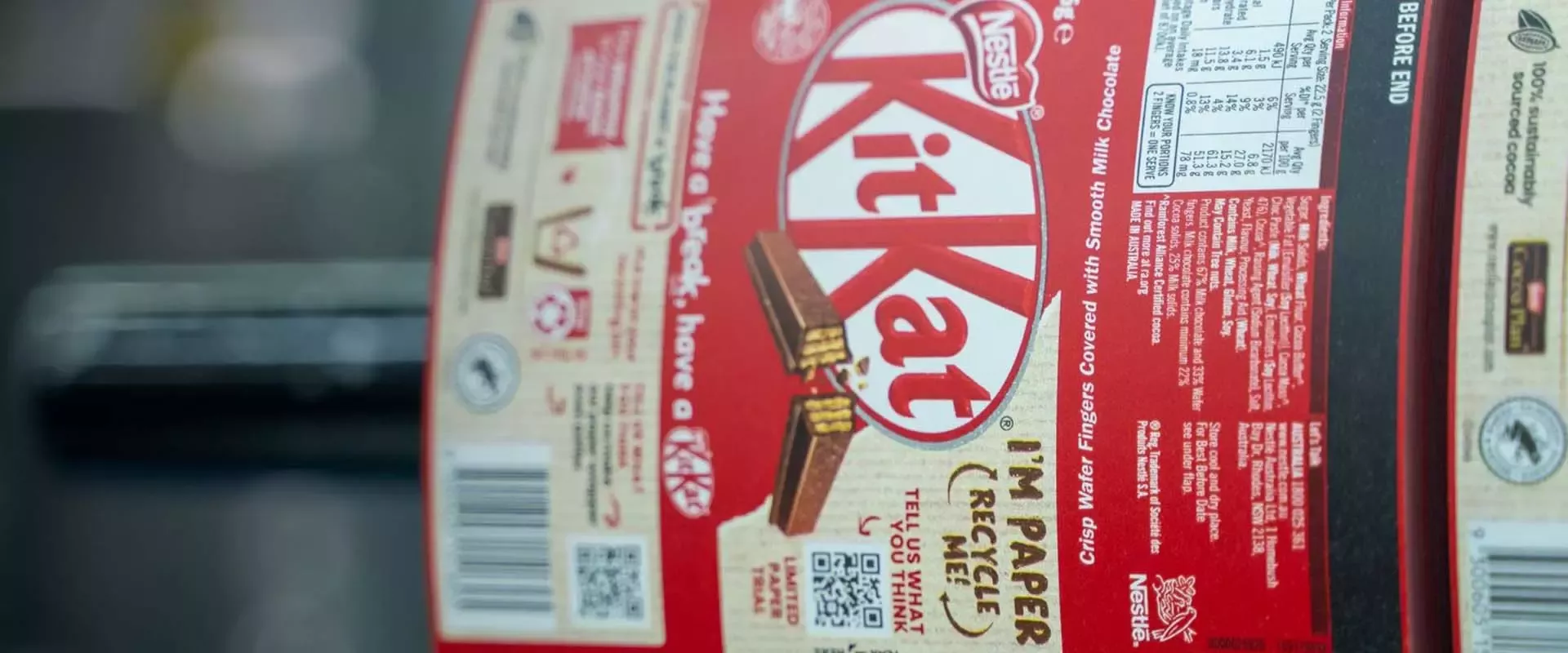
Packaging plays an essential role in protecting our products, maintaining freshness and quality, communicating product information, preventing food loss, and helping deliver safe food and beverages to our consumers.
Packaging must retain its essential benefits while becoming more circular and having a lower environmental impact.
We are therefore taking steps on how we design, use and manage packaging, encourage behavior change while supporting the systems needed to collect, sort, recycle and reuse materials at scale.
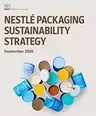
Learn more about it in our Packaging Sustainability Strategy (pdf, 12Mb).
These efforts also contribute to our broader environmental ambitions, including our Roots of Net Zero integrated climate and nature strategy and transition plan (pdf, 14Mb).
What we have achieved so far
Over the past years, we have worked to transform our packaging footprint by reducing unnecessary packaging, increasing the use of recycled and renewable materials, improving packaging design and supporting circular systems. We have reduced the total weight of plastic packaging used across our portfolio, expanded the use of recycled materials across multiple packaging formats and supported initiatives that strengthen collection, sorting, and recycling infrastructure as well as reuse. At the same time, we have advocated for effective policy frameworks and industry collaboration to help accelerate the transition towards a more circular economy for packaging. Together, these efforts provide the foundation for the next phase of our Packaging Sustainability Strategy.
Plastic is an important focus of our packaging sustainability strategy, but it is only one part of our overall packaging portfolio. In 2025, Nestlé used approximately 3.3 million tonnes of packaging, including around 0.86 million tonnes of plastic packaging.* We also use significant amounts of paper, board, glass and metals. While many of our actions focus on plastic as it presents one of the biggest circularity challenges, we work across all packaging materials to improve recyclability and increase circularity.
Our progress
Since 2018, we have advanced our packaging sustainability agenda through focused actions and continuous innovation. The charts below demonstrate the progress achieved to date, including reduced reliance on virgin plastic, improved packaging design, and strengthened support for circular systems.
How we are working to reduce our packaging
Nestlé plastic packaging reduction and redesign
* Learn more in the Environmental Disclosures section of our 2025 Non-Financial Statement (pdf, 16Mb).
** As per Ellen MacArthur Foundation: "New Plastics Economy Commitment - Commitments, Vision and Definitions" (Feb. 2020)
*** As per Sustainability Accounting Standards Board Process Foods Standard FB-PF-410a.1.
**** Packaging Designed for Recycling (D4R) refers to packaging materials and formats which are compliant with our Rules of Packaging Sustainability (pdf, 604Kb). The D4R policies use some aspects of the EMF reporting guidelines and Consumer Goods Forum ‘Golden Design Rules’ to better align with industry views.
***** The percentage is defined by the reduction of usage of virgin plastic between the reporting period and 2018, divided by the total virgin plastic volume of 2018. Virgin plastic volume is obtained by deducting the recycled plastic volume from the total plastic packaging volume of the reporting period. Primary, secondary and tertiary packaging are accounted for in the calculation. This performance metric covers the entire scope of entities consolidated by Nestlé S.A. as of December 31, 2025.
Key terms explained
Circularity
Reflecting the circular economy principles defined by the Ellen MacArthur Foundation, circularity is about designing out waste and pollution, keeping materials in use at their highest value.
Recyclable
As defined in the Ellen MacArthur Foundation definitions, a packaging or packaging component is recyclable if it is successfully post-consumer collected, sorted and recycled with a recycling rate of 30% in multiple regions, collectively representing more than 400 million inhabitants.
Reusable
Following ISO 18603, reusable is the characteristic of a product or packaging that has been conceived and designed to accomplish within its lifecycle a certain number of trips, rotations or uses for the same purpose for which it was conceived. The weight of reusable packaging is defined by the total weight of reusable packaging, divided by the number of expected rotations over the entire life of the package.
Compostable
A material is considered compostable (whether suitable for home or industrial composting) when, through microbial activity, its biodegradable components break down to form compost as well as naturally occurring gases and water under both aerobic and anaerobic conditions.
Circularity
Reflecting the circular economy principles defined by the Ellen MacArthur Foundation, circularity is about designing out waste and pollution, keeping materials in use at their highest value.
Recyclable
As defined in the Ellen MacArthur Foundation definitions, a packaging or packaging component is recyclable if it is successfully post-consumer collected, sorted and recycled with a recycling rate of 30% in multiple regions, collectively representing more than 400 million inhabitants.
Reusable
Following ISO 18603, reusable is the characteristic of a product or packaging that has been conceived and designed to accomplish within its lifecycle a certain number of trips, rotations or uses for the same purpose for which it was conceived. The weight of reusable packaging is defined by the total weight of reusable packaging, divided by the number of expected rotations over the entire life of the package.
Compostable
A material is considered compostable (whether suitable for home or industrial composting) when, through microbial activity, its biodegradable components break down to form compost as well as naturally occurring gases and water under both aerobic and anaerobic conditions.
Recycled content vs. virgin material in 2025
Percentage
-
40.8% Recycled content
-
59.2% Virgin material
0.86
Million metric tonnes
SDG contributions

Discover how our efforts aim to contribute to objectives associated with the United Nations 2030 Agenda for Sustainable Development.
Access packaging and circularity performance data
Download our performance against our KPIs in the Non-Financial Statement Appendix 4: Environment - Resource use and circular economy (pdf, 16Mb).