Dairy supply chain
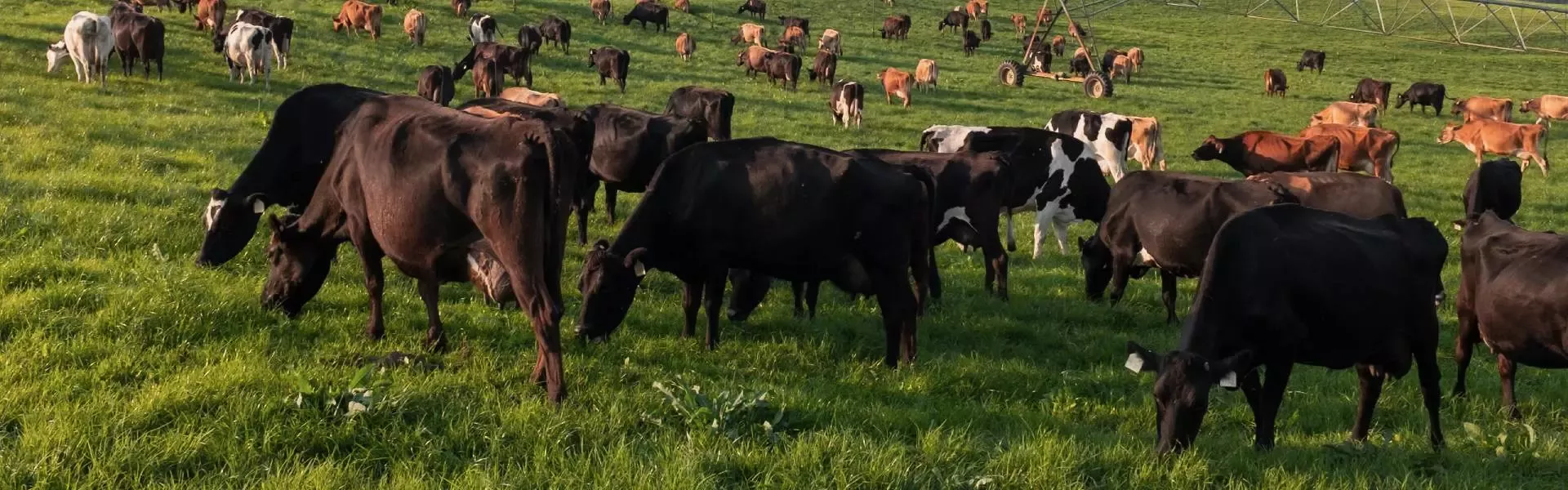
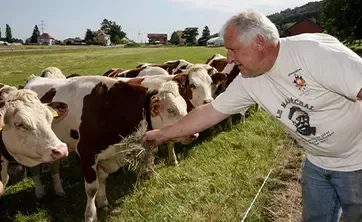
Good milk starts long before it reaches your glass. It starts with farmers who care – about the health of their soil, their cows and the communities around them. Farmers who know that better practices are not only possible, but worth investing in.
That is the journey we are on together through the Nestlé Dairy Plan (pdf, 13Mb). Sharing knowledge, science and practical support intended to help build farm resilience, support better cow care and contribute to thriving landscapes. Because when farming is done right – for the farmers, the animals and the land – many things can improve.
Our progress
Dairy is a cornerstone of nutrition across life stages, providing essential nutrients that support growth, development, and healthy longevity. Dairy ingredients are widely used across our portfolio, including in dairy and infant nutrition products, as well as in ice cream, beverages and confectionery.
Watch: Nestlé Dairy Plan report 2025 highlights
130000
+
-26
%
-25
%
34
%
1 Net reductions (%) of GHG emissions versus 2018 baseline includes removals from inside Nestlé’s value chains and sourcing landscapes (pending the publication of the SBTi guidance on neutralization).
Learn more in the Dairy Plan Report (pdf, 13Mb) and in the Environmental Disclosures section of our 2025 Non-Financial Statement (pdf, 16Mb).
Our approach to sourcing dairy
We source dairy from over 40 countries in two ways.
- Dairy ingredients such as milk powders, whey or lactose are bought from dairy cooperatives or suppliers.
- Fresh milk is sourced directly from farmers before being processed in Nestlé factories. We work with over 130 000 dairy farmers directly in 25 countries.
Our overall dairy strategy is driven by our Dairy Plan (pdf, 13Mb) and our Responsible Sourcing Core Requirements (pdf, 2Mb). These initiatives play an essential role in how we source and produce nutritious dairy ingredients as part of our road to net zero.
Key terms explained
Net zero
In 2019, we announced our ambition to reach net zero GHG emissions by 2050 at the latest. In 2026, we updated our timebound plan, the Nestle Roots of Net Zero (pdf, 14Mb), which underpins our Group’s climate strategy and acts as our transition plan aligned with a 1.5°C pathway as validated by the Science Based Targets initiative (SBTi). We will balance any remaining emissions through high-quality nature-based solutions, such as agroforestry, silvopasture and the restoration of forests and peatland. Read more about net zero.
Responsible sourcing
For Nestlé, responsible sourcing means improving the traceability of our ingredients and monitoring how they are produced. This involves applying our environmental and human rights requirements - detailed in our Responsible Sourcing Core Requirements (pdf, 2Mb) - at the different stages of our supply chain. Examples of these requirements include that land and resources of Indigenous peoples and local communities are respected, and that no deforestation and no conversion of forests and other ecosystems occur in our supply chain. Read more about responsible sourcing.
Regenerative agriculture
In line with the Sustainable Agriculture Initiative Platform, Nestlé defines regenerative agriculture as an approach to farming which aims to conserve and restore natural resources, primarily soil, as well as water and biodiversity, while capturing carbon in soils and plant biomass, and to support farmers’ livelihoods. Examples of regenerative agriculture practices include reduced tillage and agroforestry. More information is available in our Nestlé Agriculture Framework (pdf, 19Mb). Read more about regenerative agriculture.
Healthy soils
Soil health is defined as the continued capacity of soil to function as a vital living ecosystem that sustains plants, animals and humans. Healthy soils support clean air and water, bountiful crops and forests, productive grazing lands, diverse wildlife and beautiful landscapes.
Water stewardship
Water stewardship for Nestlé means taking a holistic approach to water use across our operations and supply chains, including:
- Managing water resources in and around our sites, with actions tailored to local watershed needs and risks.
- Supporting the right to water, including access to safe water, sanitation, and hygiene (WASH) for workers and communities surrounding our factories.
- Supporting environmental outcomes through projects designed to help improve water quality, strengthen local water resilience, and support biodiversity.
- Delivering transparent, third-party verified results through certification (e.g. AWS), public reporting, and independent performance measurement (such as the Volumetric Water Benefit Accounting methodology).
- Engaging in collaborative action with stakeholders, including local communities, farmers, NGOs, and public authorities, to address shared water challenges and drive systemic change.
What is the Nestlé Dairy Plan?
The Nestlé Dairy Plan is a holistic, farmer-centric initiative designed to support resilient dairy farming and the sourcing of high-quality dairy ingredients, while helping reduce GHG emissions, scale regenerative agriculture, support farmer livelihoods and animal welfare, and conserve and restore key ecosystems across the Nestlé dairy value chain.
It is a core part of our Roots of Net Zero (pdf, 14Mb) integrated climate and nature strategy and transition plan. The Dairy Plan is a comprehensive plan that covers five overlapping and interconnected pillars.
Our approach encompasses:
-
Quality We believe that quality begins long before milk reaches our products - it starts in the farm, rooted in healthy cows and thriving landscapes. We support dairy practices and controls that help us achieve the quality ingredients we need for our products.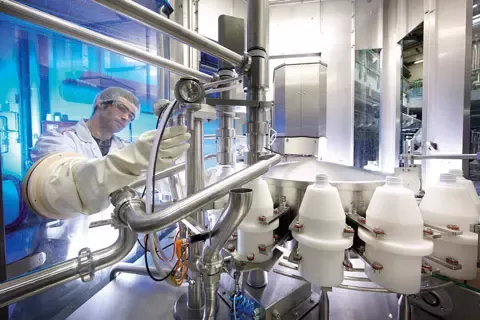
-
Farmer livelihoods We try to make dairy farming more attractive through financial tools, practical guidance and long-term support to help farmers run businesses that can last.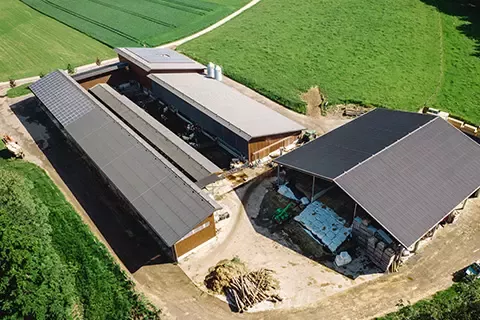
-
Climate We work to accelerate the reduction of greenhouse gas emissions at scale in dairy farming by addressing the main sources of emissions and developing lower-carbon solutions, in line with our Roots of Net Zero integrated climate and nature transition plan.Download (pdf, 14Mb)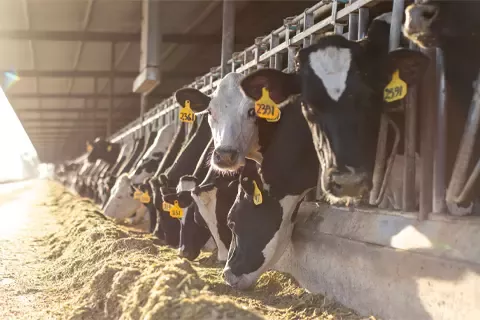
-
Animal welfare We work with farmers through training and capacity building to improve dairy farming practices. From balanced nutrition, animal health and transition management to creating a low-stress environment for cows.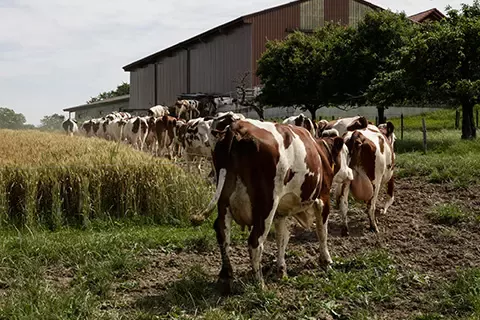
-
Nature We support the transition to regenerative agriculture practices with multiple aims: improving soil health, increasing biodiversity, improving water stewardship, building supply chain resilience and supporting farmer livelihoods.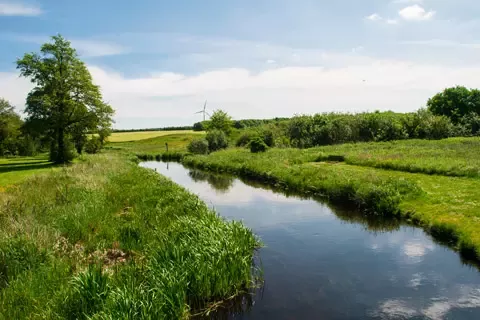
The Nestlé Dairy Plan: Our actions on the ground
What actions are we taking on the ground? From farmer engagement and lower-carbon feed acceleration to co-financing digital tool deployment, we are active in multiple areas.
Notably, we take a comprehensive approach to GHG emissions reduction, focusing on all relevant GHGs (Methane, Carbon Dioxide and Nitrous Oxide). This is in line with SBTi and science-based GHG protocol standards. By going beyond simply targeting methane emissions, we are also able to target important emission sources like feed and fertilizer use, giving us a more comprehensive approach.
At a farm level, this approach also allows us to help deliver co-benefits to farmers, such as improving soil health.
Here are some recent examples of our actions on the ground across all pillars of the Dairy Plan.
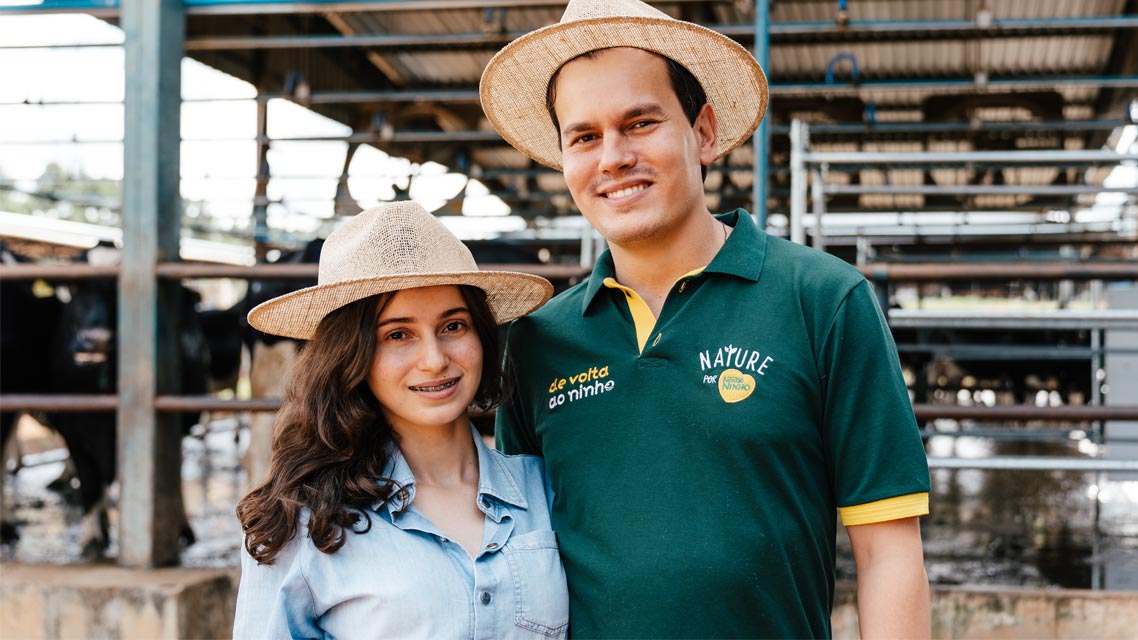
In Brazil, leading Nestlé brand Ninho is helping farmers to adopt regenerative agriculture practices for more resilient dairy farming. With a CHF 18 million investment since 2022 (by 2025), 1000 farming families are participating in the program. Read more in Dairy Plan Report 2025 (pdf, 13Mb)
Along with Nestlé, AgroImpact was co-founded in Switzerland by WWF, who provide technical expertise to verify biodiversity and climate impacts, and it is supported by financial investment from the Canton of Vaud. As a member of the board, Nestlé backs this vision with a financial investment that reaches farmers as a “climate premium” – a targeted reward calculated by AgroImpact based on verified GHG emissions reductions.
In just two years, the association has already accompanied 180 farms in seven cantons, contributing to 125 758 tons of CO2 equivalent being either reduced at the source or captured in the soil. Find out more on the Agroimpact website.
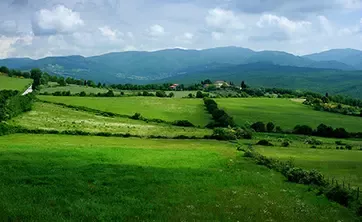
From these pastures, the milk travels directly to our Konolfingen factory, where it becomes the essential ingredient for brands like NAN, our premium infant nutrition range. Read more in Dairy Plan Report 2025 (pdf, 13Mb).
Innovative near-infrared spectroscopy (NIRS), technology is helping farmers to understand the chemical composition of forage in real time. This provides data that supports farmer decision-making around food rations.
Following implementation, farmers were seeing productivity gains of around three liters per cow and a 9% reduction in feed cost per liter of fresh milk. Read more in Dairy Plan Report 2025 (pdf, 13Mb)
In many countries, we are partnering with feed producers and dairy farms to reduce on-farm emissions related to feed production. Watch the video
In Spain, we have co-invested with 57 farmers to install automated cooling systems in barns to help improve cow comfort during heat waves. These systems kick in when the temperature and humidity go outside the comfort zone during hot weather. This was part of a wider investment in Spain, which saw a 16% increase in milk yield in farms receiving an animal welfare investment. Read more in Dairy Plan Report 2025 (pdf, 13Mb)
Around the world, we are helping to create circular economic models that convert agri-waste into profitable, low-emission byproducts. Manure is a good example of this, where it can be turned into energy and organic fertilizer. Watch the video.
We’re working with dairy farmers to put practical, science-based solutions into action - with aim of helping reduce environmental impact and improve farm resilience. One example is our work with Anthony Agueda, a third-generation California dairy farmer whose family has supplied milk for our Carnation brand for more than 40 years.
Through a partnership with BioFiltro, we’ve helped install a 360 000-square-foot system that uses woodchips and worms to filter manure-rich water. This system processes up to 200 000 gallons of water per day and can help convert waste into a reusable resource, contributing to greenhouse gas emissions reductions due to liquid and solid manure separation. Watch the video.
In New Zealand, our partnership with Fonterra to create the country’s first 'net zero' pilot farm moved into its fourth year. Everything trialed and used on the 290-hectare farm needs to be scalable and must be economically viable and practical to adopt. Solutions also need to be good for the farmer, good for the cow and good for the milk. From 2021-2025, the farm reduced its absolute emissions by 23.5%. The farm is already scaling up its use of EcoPond, following a successful trial which reduced effluent methane by around 97% in the farm’s test unit. Learn more.
Leveraging the science
Our Dairy Plan is supported by the Nestlé Institute of Agricultural Sciences. The institute enables the rigorous testing and validation of existing commercial solutions, as well as the development of innovative technologies.
This supports approaches that reduce greenhouse gas (GHG) emissions, enhance animal welfare, and protect milk production, quality and farmer income prior to their adoption by farmers in Nestlé’s fresh milk and dairy supply chains.
The Nestlé Institute of Agricultural Sciences works in close partnership with external partners including farmers, universities, research organizations, start-ups and industry partners.
Strategic suppliers and academic partners
Strategic suppliers
System-level changes are needed to ensure that the dairy sector remains robust going forward. No single company can achieve this alone.
We are sharing learnings and solutions with our strategic suppliers, who have agreed to join us on our journey to reduce farm-level environmental impacts. We work with strategic suppliers such as California Dairies, Inc (CDI), Fonterra, Sodiaal/ Euroserum, Lactalis, Cayuga, Agropur, Land O’Lakes, Vreugdenhil and Friesland Campina to develop efficiencies, tailored low-emissions solutions and regenerative agriculture practices in our value chains.
Academic partners
To ensure our approach is robust, we work with multiple academic institutions around the world. These include: Northeast Agricultural University (China), Aarhus University (Denmark), Gadvasu University (India), Tec de Monterrey (Mexico), Wageningen University (Netherlands), Valladolid University (Spain), EPFL and ETH Zurich (Switzerland), UC Davis, Iowa State, Penn State and Cornell University (USA), and Lincoln University (U.K.). We also work with government research institutions such as Embrapa–in Brazil, which is linked to the Ministry of Agriculture.
Responsible sourcing and traceability
Independent auditors carry out assessments of the dairy farmers involved in our supply chain against our Responsible Sourcing Core Requirements, focusing on animal welfare, labor practices and environmental impact. In 2025, 60% of our dairy (fresh milk and dairy derivatives) was responsibly sourced. Learn more in our Nestlé Dairy Plan Report (pdf, 13Mb).