Pulp and paper sourcing

Nestlé uses pulp and paper products for food packaging, wrapping and transportation.
Our progress
99.4
%
Learn more in the Environmental Disclosures section of our 2025 Non-Financial Statement (pdf, 16Mb).
Key terms explained
Deforestation-free
Deforestation-free means that commodities in scope were assessed as produced on land that has not been subject to deforestation or conversion after a specific cut-off date that varies by commodity, but no later than December 31, 2020. Commodities accounted as deforestation-free include in part commodities subject to the requirements of the EU Deforestation Regulation. However, the scope of the disclosed metric goes beyond these jurisdiction-specific mandatory requirements as part of Nestlé's global approach on deforestation. Read more about deforestation.
Deforestation-free
Deforestation-free means that commodities in scope were assessed as produced on land that has not been subject to deforestation or conversion after a specific cut-off date that varies by commodity, but no later than December 31, 2020. Commodities accounted as deforestation-free include in part commodities subject to the requirements of the EU Deforestation Regulation. However, the scope of the disclosed metric goes beyond these jurisdiction-specific mandatory requirements as part of Nestlé's global approach on deforestation. Read more about deforestation.
Our approach to sourcing pulp and paper
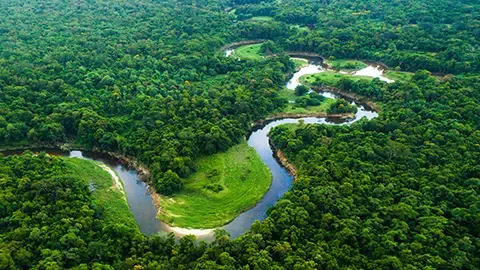
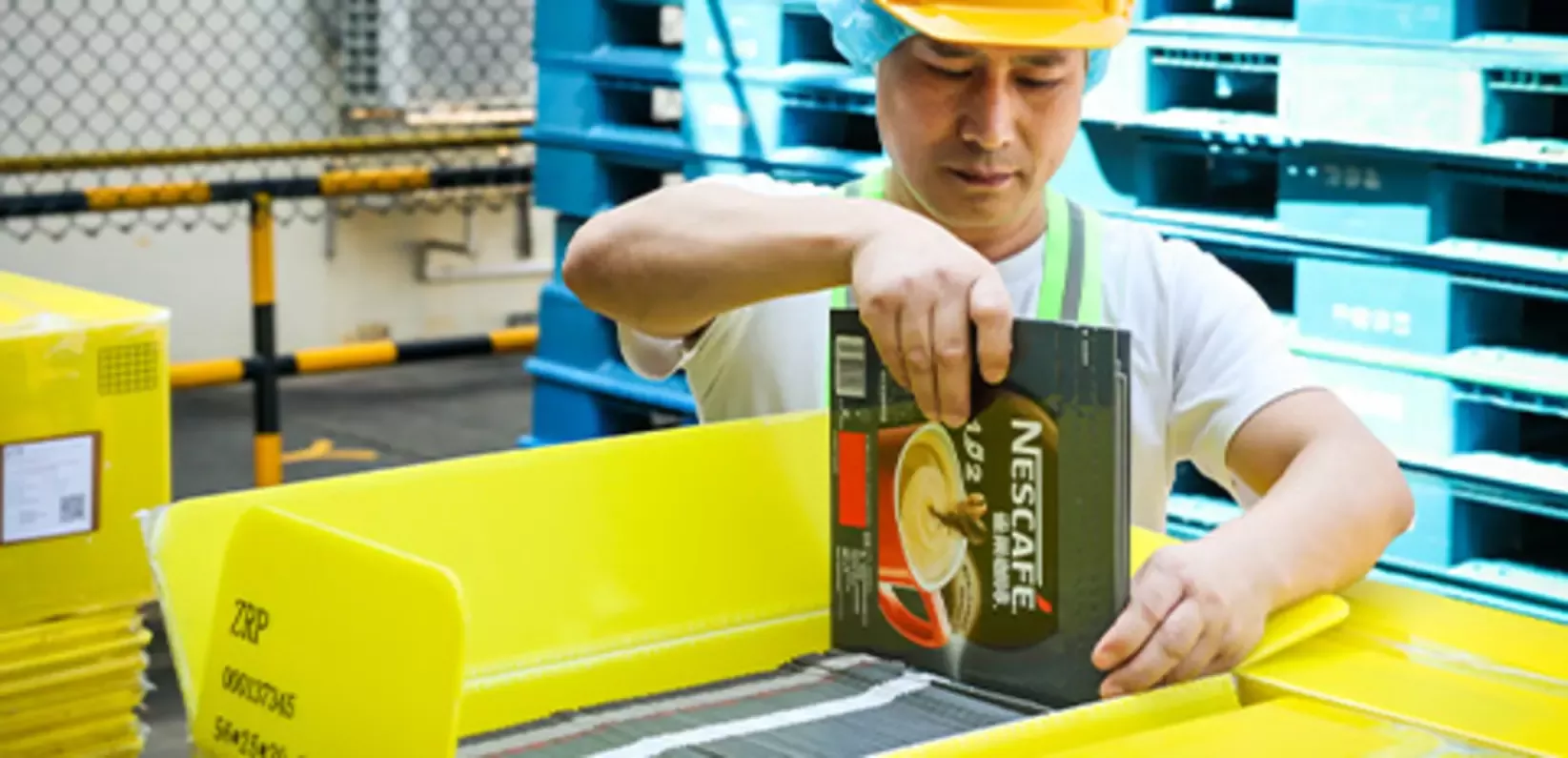
Our responsible sourcing efforts related to packaging focus on corrugated, micro flute boards and solid boards. For many years we have been addressing deforestation and promoting appropriate forest management within our value chain, aiming to help safeguard and restore forests and peatlands that also function as carbon sinks.
We aim to source only pulp and paper that meet our Responsible Sourcing Core Requirements. We annually publish a list of our pulp and paper suppliers (pdf, 700Kb) in our upstream supply chains. Doing so helps to drive industry-wide transparency and allows us to focus on supplier progress and tackling the most relevant supply chain challenges. We have seen others following suit, which is encouraging, though more effort is needed within our sector.
Key terms explained
Responsible sourcing
For Nestlé, responsible sourcing means improving the traceability of our ingredients and monitoring how they are produced. This involves applying our environmental and human rights requirements - detailed in our Responsible Sourcing Core Requirements (pdf, 2Mb) - at the different stages of our supply chain. Examples of these requirements include that land and resources of Indigenous Peoples and local communities are respected, and that no deforestation and no conversion of forests and other ecosystems occur in our supply chain. Read more about responsible sourcing.
Responsible sourcing
For Nestlé, responsible sourcing means improving the traceability of our ingredients and monitoring how they are produced. This involves applying our environmental and human rights requirements - detailed in our Responsible Sourcing Core Requirements (pdf, 2Mb) - at the different stages of our supply chain. Examples of these requirements include that land and resources of Indigenous Peoples and local communities are respected, and that no deforestation and no conversion of forests and other ecosystems occur in our supply chain. Read more about responsible sourcing.
Tackling deforestation and degradation risks
For over 10 years, we have worked on the ground to improve the traceability of our raw materials to assess and address deforestation risks in our supply chains. With our suppliers, we have endeavored to ensure our pulp and paper supply chain is deforestation-free: in 2025, 99.4% was assessed as deforestation-free. Learn more in the Environmental Disclosures section of our Non-Financial Statement (pdf, 16Mb).
We engage with our supply chain partners to understand their operations and potential expansion plans. We collaborate to find a balance between production and protection. These efforts allow us to support forest landscapes in line with our Responsible Sourcing Core Requirements (pdf, 2Mb) and Roots of Net Zero integrated climate and nature strategy and transition plan (pdf, 14Mb).
Key terms explained
Net zero
In 2019, we announced our ambition to reach net zero GHG emissions by 2050 at the latest. In 2026, we updated our timebound plan, the Nestle Roots of Net Zero (pdf, 14Mb), which underpins our Group’s climate strategy and acts as our transition plan aligned with a 1.5°C pathway as validated by the Science Based Targets initiative (SBTi). We will balance any remaining emissions through high-quality nature-based solutions, such as agroforestry, silvopasture and the restoration of forests and peatland. Read more about net zero.
Our specific sourcing requirements for pulp and paper, developed in conjunction with Earthworm Foundation include:
- Adherence to local and national regulations and laws.
- Protection of High Carbon Stock Approach (HCSA) forests.
- Protection of high-conservation-value (HCV) sites.
- No development on peat, regardless of depth.
- Respecting the process of free, prior and informed consent.
We are also partnering with Airbus and Earthworm Foundation to use Starling satellite technology to identify forest loss in our high-risk sourcing landscapes. This helps us understand whether this results in the deforestation and degradation of HCV forests. Following the development of base maps, we undertook field missions in 2019 to gauge the accuracy of the data. We have since used this technology to analyze changes in forest cover across key priority landscapes. This increased visibility allows us to observe changes in real-time. The information has informed more targeted discussions with suppliers on forest cover change alerts and supported the development of interventions and solutions with them and other stakeholders.
We also use Starling data to map trends in forest biomass and carbon to support future resource use planning decisions. Our target to net zero emissions by 2050 will continue to guide our efforts to seek new solutions that support emissions reductions through restoration and conservation activities in these landscapes, and other forest sources, with our pulp and paper suppliers.
Actions in connection with priority ecosystems
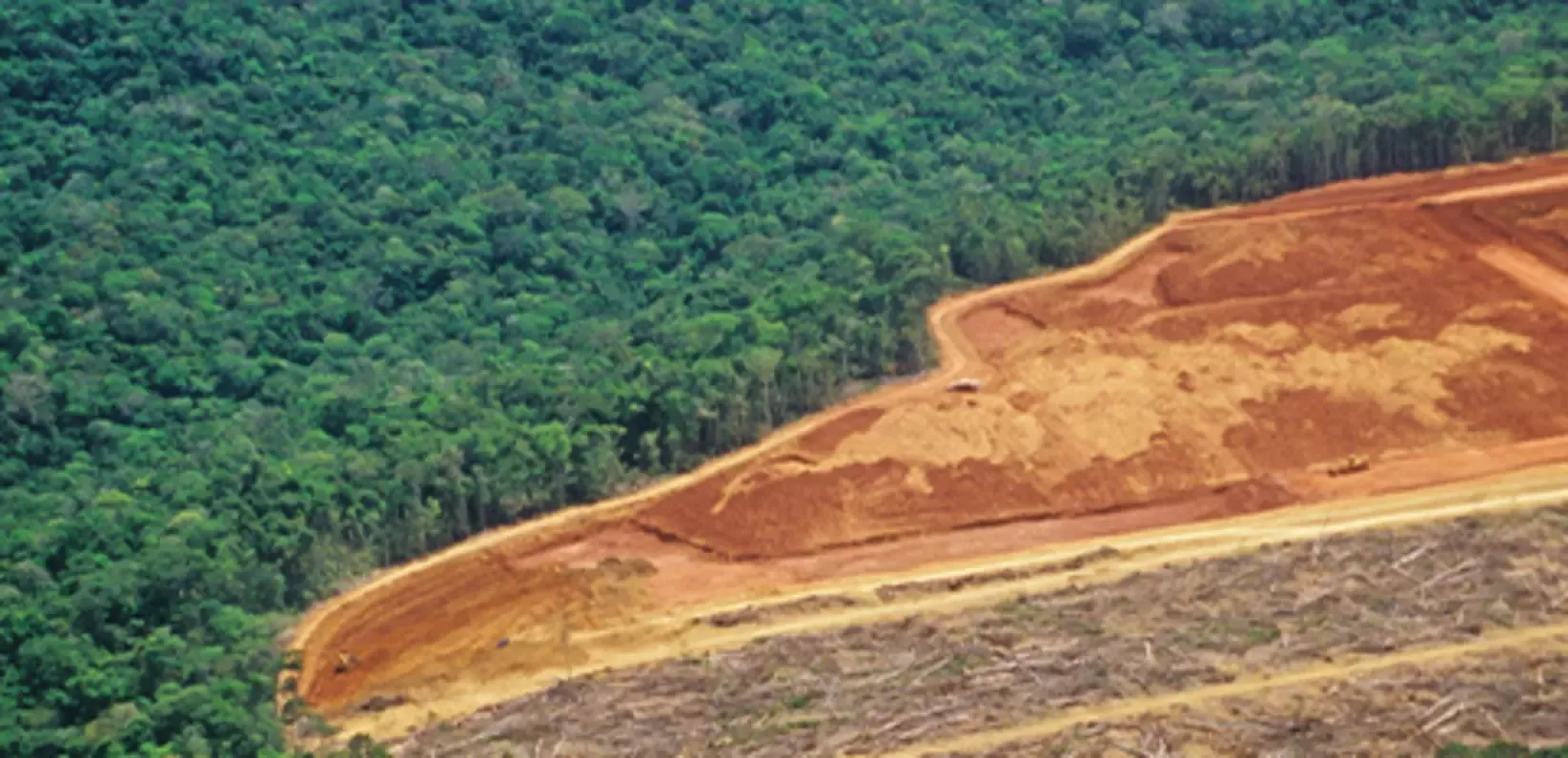
Thanks to close to 15 years of local engagement in specific landscapes, Nestlé is able to better understand where agriculture and nature can be managed together within the same landscape flourish together, and where agriculture may need to put less pressure on nature, while respecting the rights of Indigenous Peoples and local communities (IP&LCs).
In this context, we are taking actions. We have already reduced demand for 80% of virgin fiber from suppliers involved in controversies in Northern Sweden and begun implementing a plan reducing our sourcing of virgin fiber from these suppliers by 95%. Since first quarter of 2026 we estimate that around 0.5% of our virgin fiber supply comes from Northern Sweden. We will continue to monitor the situation and look for alternatives as well as stay engaged in this region via our ongoing collective action.
This, while continuing to collaborate with local stakeholders on climate and nature actions in the region. We have identified this region as a priority ecosystem.
Helping to secure land rights
As part of our Human Rights Framework (pdf, 5Mb), we have developed action plans for the most salient issues in our supply chains. In our pulp and paper supply chain, IP&LCs' land rights have been identified as a key issue. Our IP&LCs' land rights action plan articulates our strategy to assess, address and report on this issue.
We continue to engage with IP&LCs, including by supporting landscape- and jurisdictional-wide initiatives and through our Global Restoration Program projects. We are also monitoring human rights risks, engaging directly with upstream suppliers on respecting land rights at the production level.
Collective action and engagement
We need take action to tackle deforestation and degradation risks associated with our pulp and paper supply chain. However, as a single organization, we do not always have the leverage to drive and scale up change. This is why we engage in industry-wide collaborations like the Consumer Goods Forum's Forest Positive Coalition, which helps drive collective action. We also actively seek opportunities to collaborate with like-minded companies on key issues and in priority landscapes, including the following initiatives.
Social conflicts around land use and land rights are frequent in Brazil and throughout Latin America. We support Earthworm Foundation’s Free, Prior and Informed Consent (FPIC) training program, which aims to address expertise gaps in this field. The program, in conjunction with 3M, is establishing a set of practices in the private sector that protect community rights and prevent social conflicts by creating shared values between forestry companies and local communities, including Indigenous Peoples.
We also have a five-year partnership with FSC Brazil and the Cooperative Program for Forest Certification within the Forestry Research Institute of the University of São Paulo. Through the partnership, we will promote social management practices, including the development of FPIC training.
In Indonesia, we are involved in efforts to help protect remaining forests and peatland from degradation and deforestation in the Giam Siak Kecil-Bukit Batu bioreserve of Riau, Sumatra Island. The reserve covers over 700 000 hectares and is predominantly tropical peat swamp forest. It plays a vital role as a natural water reservoir and carbon sink, and is home to important wildlife such as Sumatran elephants and tigers. Of the total area, 25% is already allocated for conservation purposes. The remaining 75% is a mix of production areas for pulp and paper, palm oil, and company and community-owned agriculture. The presence of multiple actors in this area has resulted in a complicated overlap of interests, various tenure conflicts and human versus wildlife conflicts. The enduring presence of illegal logging and land conversion is also contributing to forest degradation in the area.
In addition to using Starling satellite technology to understand where forest is being cleared, we are working with stakeholders to identify motives for land conversion. In 2020, we invested in Earthworm Foundation's Kumacaya Initiative, an independent verification system that employs local people to monitor activities and record any environmental, community and labor grievances observed by local communities. By combining insights from Kumacaya with data collected by Starling and engaging with the relevant companies and stakeholders, we are looking to identify solutions that can prevent deforestation and biodiversity loss while supporting local community livelihoods.
In 2020, we began contributing to the provision of alternative livelihoods for community members in two local villages outside of our supply chain. Following a year of engagement facilitated by Earthworm Foundation, 30 community members who previously worked as illegal loggers are now cultivating local multi-purpose trees including durian, dog fruit, areca nut and candlenut. Nestlé funding supported the development of village nurseries to prepare these, and other, local seedlings to help restore forests. Earthworm Foundation will continue supporting these communities until the new plantations generate satisfactory yields.