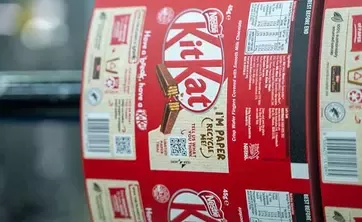

Responsible sourcing
Understanding where our ingredients come from and how they are produced
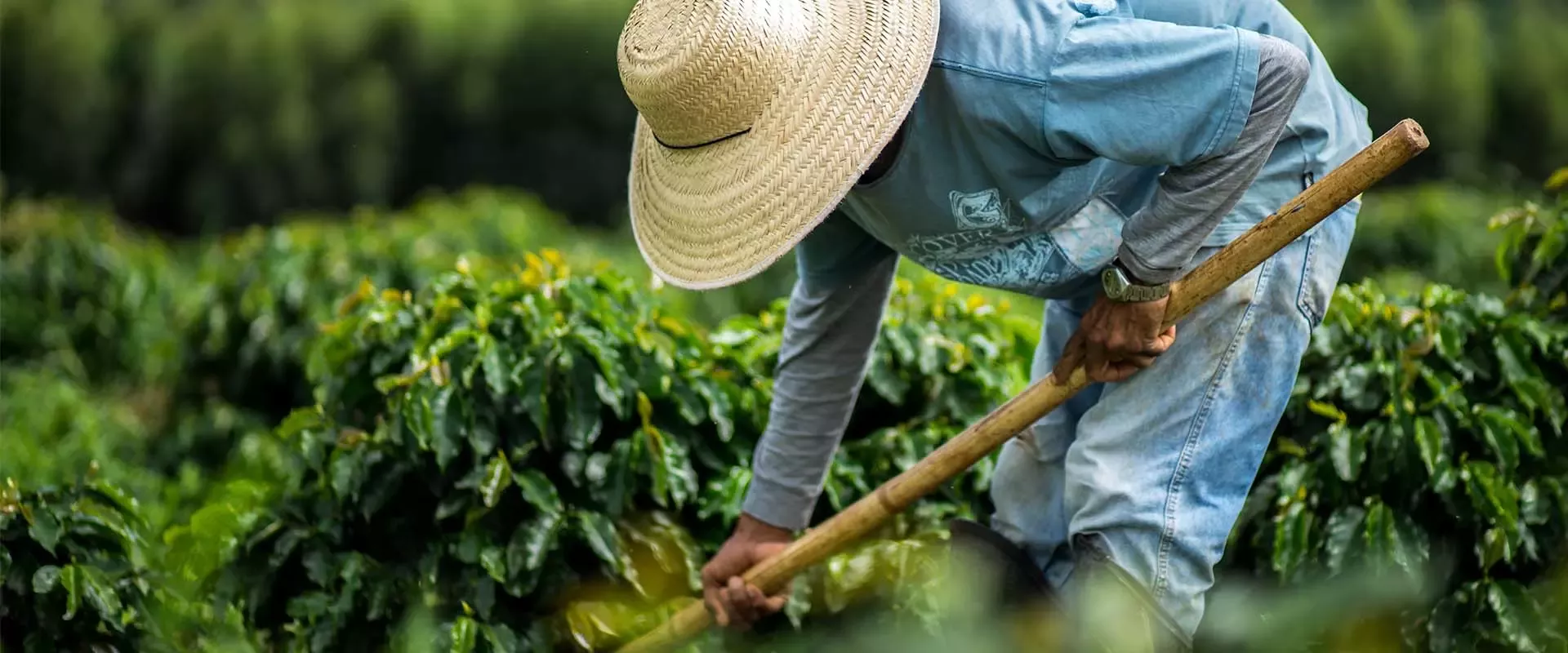
For Nestlé, responsible sourcing means improving the traceability of our ingredients and monitoring how they are produced.
This involves applying our environmental and human rights requirements - detailed in our Responsible Sourcing Core Requirements (pdf, 2Mb) - at the different stages of our supply chain. Examples of these requirements include that land and resources of Indigenous peoples and local communities are respected, and that no deforestation and no conversion of forests and other ecosystems occurs in our supply chain. We implement risk-based due diligence mechanisms, including supplier self-assessments, independent third-party audits, and ongoing training for suppliers to address identified risks.
Our progress
46.5
%
1 Key ingredients: cereals and grains; cocoa; coconut; dairy (derivatives and fresh milk); fish and seafood; green coffee; hazelnuts; meat, poultry and eggs; palm oil; pulp and paper; soy; spices; sugar; and vegetables.
2 This performance number differs from the one available in our Non-Financial Statement 2025 due to a change in the methodology during the first half of 2026. Now we consider ingredients volumes converted back to their original fresh state, instead of their processed form.
Learn more in the Environmental Disclosures section of our 2025 Non-Financial Statement (pdf, 16Mb).
By 2030, we aim to achieve 95%-100% key ingredient volumes to be responsibly sourced.* Find out more about our plans on this target (pdf, 14Mb).
To remain aligned with our ambition for responsible sourcing while acknowledging the evolving complexities of global supply chains, we have adjusted our target from aiming for 100% of our volumes of key ingredients to be responsibly sourced by 2030 to 95-100% by the same date.
This reflects a pragmatic approach, introducing a tolerance to accommodate operational realities while maintaining our ambition level. The realities include:
- Integration of newly acquired businesses, which may require time to align with our Responsible Sourcing Core Requirements (pdf, 2Mb).
- Challenges in securing full chain of custody, particularly in fragmented or high-risk supply chains where traceability remains a work in progress at industry level.
- Tactical use of spot purchases to meet dynamic and short-term shifts in consumer demand, which may occasionally involve sourcing outside our certified or verified networks.
- Other unforeseen disruptions, such as logistics constraints and geopolitical events, which may require us temporarily to source outside our certified or verified network.
* Key ingredients: cereals and grains; cocoa; coconut; dairy (derivatives and fresh milk); green coffee; fish and seafood; hazelnuts; meat, poultry and eggs; palm oil; pulp and paper; soy; spices; sugar; and vegetables.
SDG contributions

Discover how our efforts support the United Nations 2030 Agenda for Sustainable Development.
Our key ingredients

-
Cocoa sourcing READ MORE
-
Coffee sourcing READ MORE
-
Dairy supply chain READ MORE
-
Palm oil sourcing READ MORE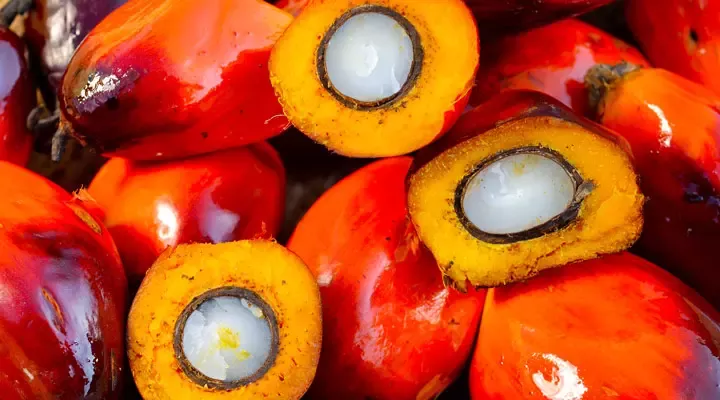
-
Fish and seafood sourcing READ MORE
-
Meat, poultry and eggs sourcing READ MORE
-
Vegetables and spices sourcing READ MORE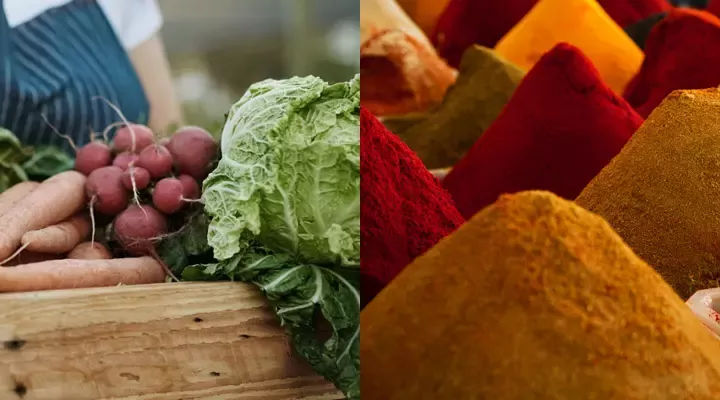
-
Pulp and paper sourcing READ MORE
-
Sugar sourcing READ MORE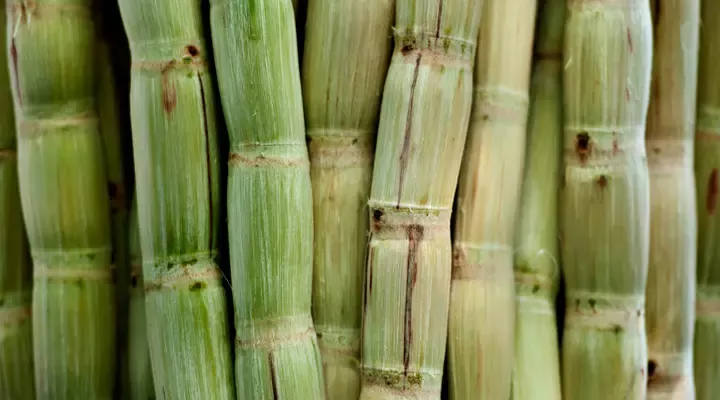
-
Cereals and grains sourcing READ MORE
-
Hazelnuts sourcing READ MORE
-
Soy sourcing READ MORE
-
Coconut sourcing READ MORE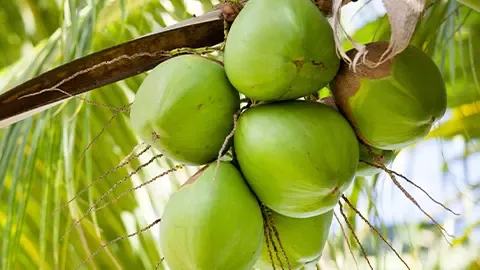
Access responsible sourcing performance data
Download our commitments and related KPIs in the Non-Financial Statement Appendix 4: Environment - Climate change (pdf, 16Mb).