
Partnerships and collaborative action
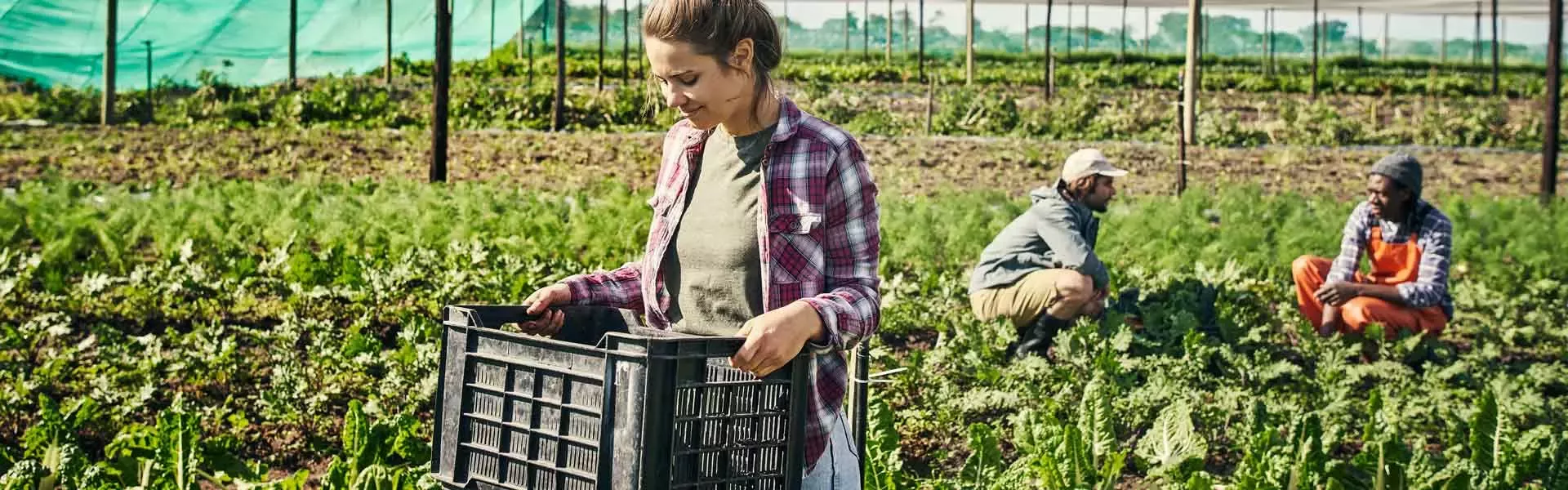
Our global stakeholder network includes farmers, local communities, suppliers, industry associations, consumers, non-governmental organizations, civil society organizations, academia, multilateral organizations, governments, customers, our employees, investors and shareholders.
We are in dialogue regularly with these stakeholders through various platforms, forums and meetings to help advance our Creating Shared Value strategy, the Nestlé Roots of Net Zero (pdf, 14Mb) integrated climate and nature strategy and transition plan, and our work on regenerative food systems, all of which are aligned with the UN's Sustainable Development Goals.
Key terms explained
Net zero
In 2019, we announced our ambition to reach net zero GHG emissions by 2050 at the latest. In 2026, we updated our timebound plan, the Nestlé Roots of Net Zero (pdf, 14Mb), which underpins our Group’s climate and nature strategy and acts as our transition plan aligned with a 1.5°C pathway as validated by the Science Based Targets initiative (SBTi). We will balance any remaining emissions through high-quality nature-based solutions, such as agroforestry, silvopasture and the restoration of forests and peatland. Read more about net zero.
Regenerative agriculture
In line with the Sustainable Agriculture Initiative Platform, Nestlé defines regenerative agriculture as an approach to farming which aims to conserve and restore natural resources, primarily soil, as well as water and biodiversity, while capturing carbon in soils and plant biomass, and to support farmers’ livelihoods. Examples of regenerative agriculture practices include reduced tillage and agroforestry. More information is available in our Nestlé Agriculture Framework (pdf, 19Mb). Read more about regenerative agriculture.
Regenerative food system
A regenerative food system is one that goes beyond reducing harm to actively restoring ecological systems, while at the same time strengthening the social, economic and human rights foundations that food production depends on - so that food systems can sustain nature, people and livelihoods over the long term.
Creating Shared Value
How we work towards delivering long-term positive impact for all our stakeholders.
Net zero
In 2019, we announced our ambition to reach net zero GHG emissions by 2050 at the latest. In 2026, we updated our timebound plan, the Nestlé Roots of Net Zero (pdf, 14Mb), which underpins our Group’s climate and nature strategy and acts as our transition plan aligned with a 1.5°C pathway as validated by the Science Based Targets initiative (SBTi). We will balance any remaining emissions through high-quality nature-based solutions, such as agroforestry, silvopasture and the restoration of forests and peatland. Read more about net zero.
Regenerative agriculture
In line with the Sustainable Agriculture Initiative Platform, Nestlé defines regenerative agriculture as an approach to farming which aims to conserve and restore natural resources, primarily soil, as well as water and biodiversity, while capturing carbon in soils and plant biomass, and to support farmers’ livelihoods. Examples of regenerative agriculture practices include reduced tillage and agroforestry. More information is available in our Nestlé Agriculture Framework (pdf, 19Mb). Read more about regenerative agriculture.
Regenerative food system
A regenerative food system is one that goes beyond reducing harm to actively restoring ecological systems, while at the same time strengthening the social, economic and human rights foundations that food production depends on - so that food systems can sustain nature, people and livelihoods over the long term.
Creating Shared Value
How we work towards delivering long-term positive impact for all our stakeholders.
Partnering with others for greater impact
Business Coalition for a Global Plastics Treaty
11431
* This KPI originally covered all children who have reported since 2012. In 2025, we have introduced an amended KPI covering only children who have reported in the past 24 months. This is to align with emerging industry standards for reporting on CLMRS systems (see CLMRS Core Criteria | ICI Cocoa Initiative). For 2025 only, we also maintain the original KPI for comparability purposes.
Learn more in the Social Disclosures section of our 2025 Non-Financial Statement (pdf, 16Mb).
How we select partners
We use the following criteria to select partners:
- Relevance to our commitments and focus areas of work
- Ability to solve a problem or to add value
- Impact and scale
- Financial value and other resources, aligned with impact and scale
- Little overlap with existing partnerships
- Geographical scope: global, regional or local
- Alignment with the Nestlé Corporate Business Principles
Collaborating for positive impact
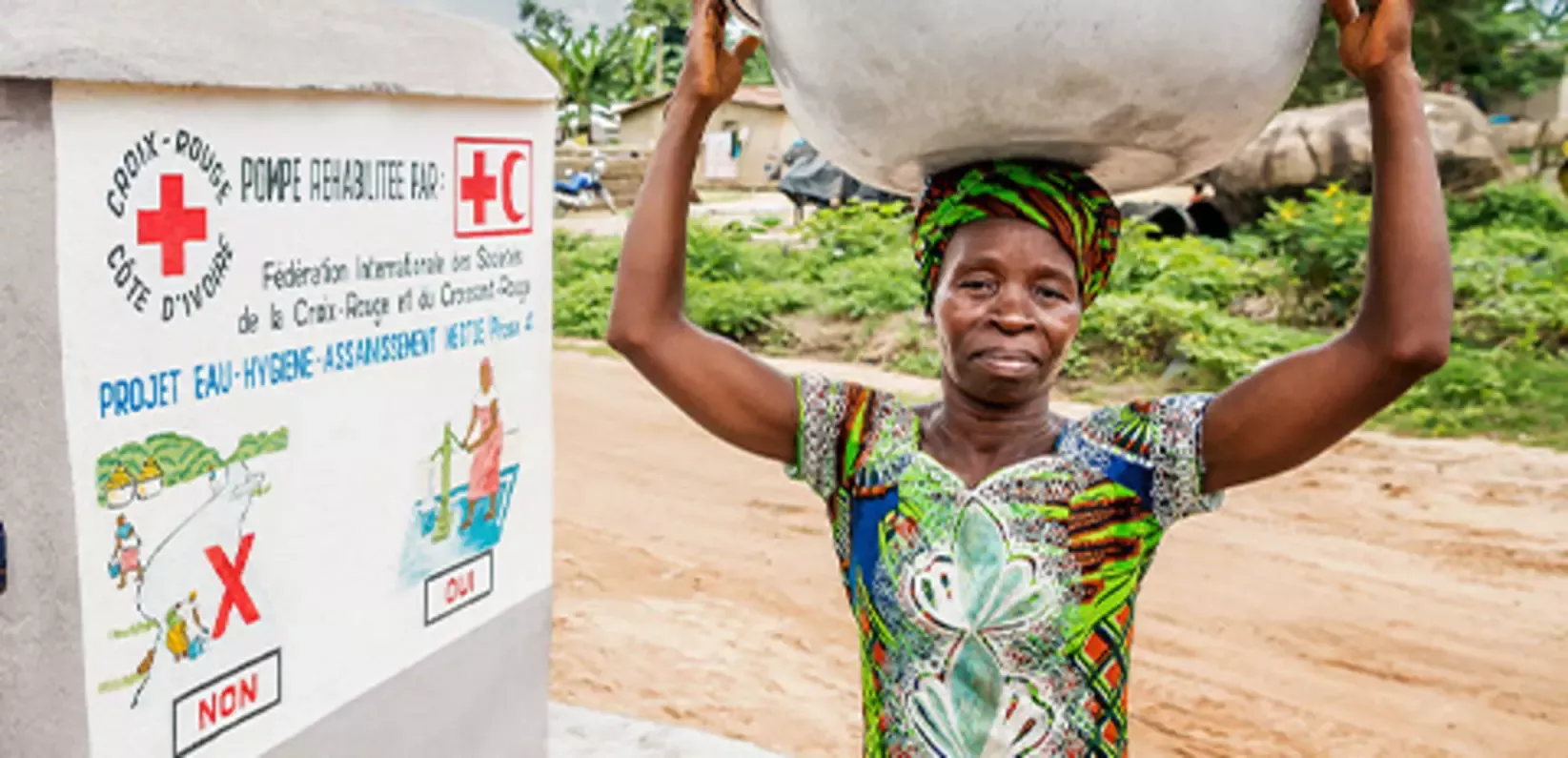
Examples of some of our partnerships are outlined below: