

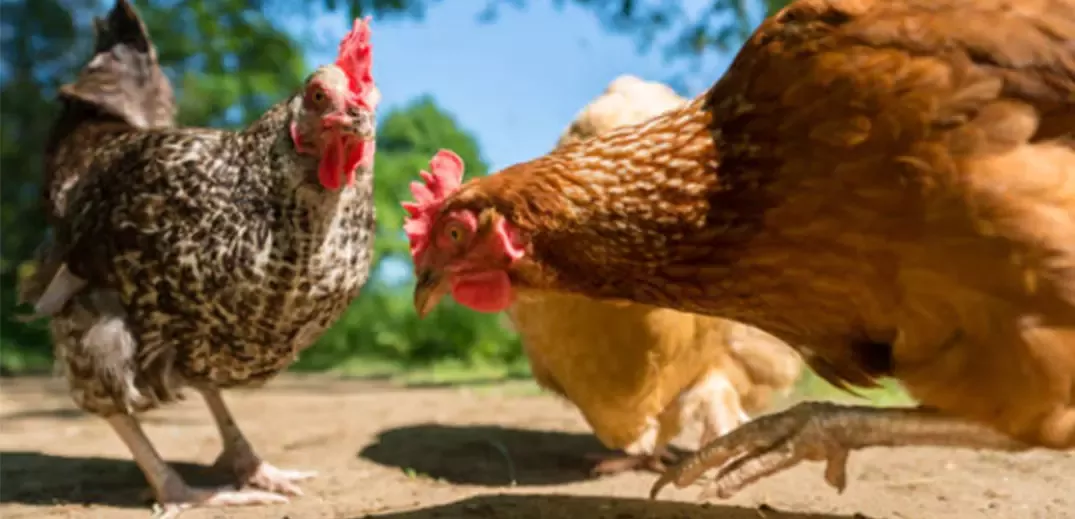
Our work on animal welfare is reflected in our Responsible Sourcing Core Requirements (pdf, 2Mb): we work to promote animal welfare practices and phase out practices of concern across our supply chains.
All suppliers of meat, poultry, eggs and dairy products are required to comply with Nestlé's Responsible Sourcing Core Requirements, which set out our minimum environmental, social and governance expectations. Compliance is verified through farm assessments and other verification processes.
We recognize that improving animal welfare often requires significant changes at farm level, including investments in infrastructure and production systems. For example, transitioning from conventional cage systems to cage-free egg production can require time and resources. As a result, we work closely with suppliers and industry stakeholders to support continuous improvement and drive broader transformation across the livestock sector. At the end of 2025, the percentage of cage-free eggs sourced was 81.7%.
Our main meat, poultry and egg sourcing regions are North America and Europe, and we continue to partner with suppliers and other stakeholders on collaborative initiatives related to animal welfare and environmental sustainability aspects of livestock production.
Responsible sourcing
For Nestlé, responsible sourcing means improving the traceability of our ingredients and monitoring how they are produced. This involves applying our environmental and human rights requirements - detailed in our Responsible Sourcing Core Requirements (pdf, 2Mb) - at the different stages of our supply chain. Examples of these requirements include that land and resources of Indigenous Peoples and local communities are respected and that no deforestation and no conversion of forests and other ecosystems occur in our supply chain. Read more about responsible sourcing
