Sustainability at Nestlé

Our purpose is to unlock the power of food and beverages to enhance quality of life for everyone, today and for generations to come.
Creating Shared Value — our strong conviction that a company should create value both for its shareholders and society at large — is at the heart of this purpose. This includes our efforts to address our environmental impact and support communities, while helping us source the ingredients we need and strengthen the food systems we all rely on.
As part of those efforts, and for several years, we have been addressing climate change, soil degradation, plastic pollution and other challenges through key initiatives, including our Roots of Net Zero integrated climate and nature transition plan (pdf, 14Mb), our The Nestlé Agriculture Framework (pdf, 20Mb), and our Human Rights Framework and Roadmap (pdf, 5Mb).
20.7
%
24.5
%
96.9
%
28.0
%
48.2
%
* There has been a change in the key ingredients scope from 2026 onwards. The new scope is: cereals and grains; cocoa; coconut; dairy (derivatives and fresh milk); hazelnuts; green coffee; meat, poultry and eggs; soy; spices; sugar; vegetables; and vegetable fat oils (including palm oil). This performance number differs from the one available in our Non-Financial Statement 2025 due to a change in the methodology during the first half of 2026. Now we consider ingredients volumes converted back to their original fresh state, instead of their processed form.
** Learn more in the Environmental Disclosures section of our 2025 Non-Financial Statement (pdf, 16Mb).
*** This performance number differs from the one available in our Non-Financial Statement 2025 due to a change in the methodology during the first half of 2026. Now we consider ingredients volumes converted back to their original fresh state, instead of their processed form.
**** Learn more in the Environmental Disclosures section of our 2025 Non-Financial Statement (pdf, 16Mb).
***** Learn more in the Social Disclosures section of our 2025 Non-Financial Statement (pdf, 16Mb).
Key terms explained
Regenerative agriculture
In line with the Sustainable Agriculture Initiative Platform, Nestlé defines regenerative agriculture as an approach to farming which aims to conserve and restore natural resources, primarily soil, as well as water and biodiversity, while capturing carbon in soils and plant biomass, and to support farmers’ livelihoods. Examples of regenerative agriculture practices include reduced tillage and agroforestry. More information is available in our Nestlé Agriculture Framework (pdf, 19Mb). Read more about regenerative agriculture.
Deforestation-free
Deforestation-free means that commodities in scope were assessed as produced on land that has not been subject to deforestation or conversion after a specific cut-off date that varies by commodity, but no later than December 31, 2020. Commodities accounted as deforestation-free include in part commodities subject to the requirements of the EU Deforestation Regulation. However, the scope of disclosed metric goes beyond these jurisdiction-specific mandatory requirements as part of Nestlé’s global approach on deforestation. Read more about deforestation.
Responsible sourcing
For Nestlé, responsible sourcing means improving the traceability of our ingredients and monitoring how they are produced. This involves applying our environmental and human rights requirements - detailed in our Responsible Sourcing Core Requirements (pdf, 2Mb) - at the different stages of our supply chain. Examples of these requirements include that land and resources of Indigenous peoples and local communities are respected and that no deforestation and no conversion of forests and other ecosystems occur in our supply chain. Read more about responsible sourcing.
Regenerative agriculture
In line with the Sustainable Agriculture Initiative Platform, Nestlé defines regenerative agriculture as an approach to farming which aims to conserve and restore natural resources, primarily soil, as well as water and biodiversity, while capturing carbon in soils and plant biomass, and to support farmers’ livelihoods. Examples of regenerative agriculture practices include reduced tillage and agroforestry. More information is available in our Nestlé Agriculture Framework (pdf, 19Mb). Read more about regenerative agriculture.
Deforestation-free
Deforestation-free means that commodities in scope were assessed as produced on land that has not been subject to deforestation or conversion after a specific cut-off date that varies by commodity, but no later than December 31, 2020. Commodities accounted as deforestation-free include in part commodities subject to the requirements of the EU Deforestation Regulation. However, the scope of disclosed metric goes beyond these jurisdiction-specific mandatory requirements as part of Nestlé’s global approach on deforestation. Read more about deforestation.
Responsible sourcing
For Nestlé, responsible sourcing means improving the traceability of our ingredients and monitoring how they are produced. This involves applying our environmental and human rights requirements - detailed in our Responsible Sourcing Core Requirements (pdf, 2Mb) - at the different stages of our supply chain. Examples of these requirements include that land and resources of Indigenous peoples and local communities are respected and that no deforestation and no conversion of forests and other ecosystems occur in our supply chain. Read more about responsible sourcing.
Sustainability throughout Nestlé
-
Climate change We have put peak carbon behind us and aim to halve greenhouse gas emissions by 2030.READ MORE
-
Nature Our approach includes strategies that address topics like biodiversity, empowerment of communities and greenhouse gas emissions.READ MORE
-
Water We certified 39 sites to the Alliance for Water Stewardship (AWS) international standard for our Nestlé Waters & Premium Beverages sites.READ MORE

-
Packaging and circularity At Nestlé, we are guided by a vision where packaging does not end up in landfills or as litter.READ MORE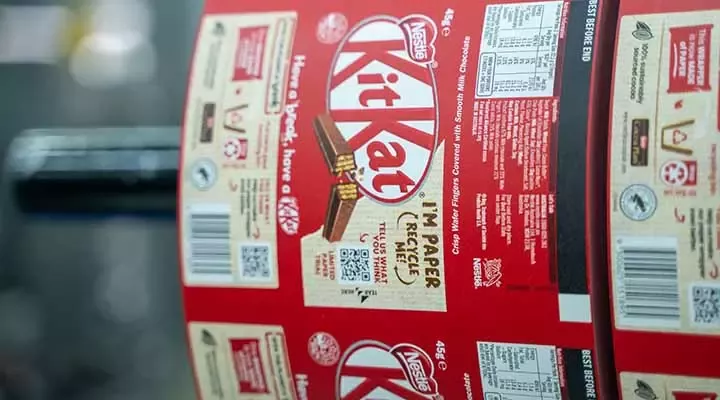
-
Responsible sourcing By 2030, we aim to achieve 95%-100% of volumes of key ingredients responsibly sourced. Learn more about our plans.READ MORE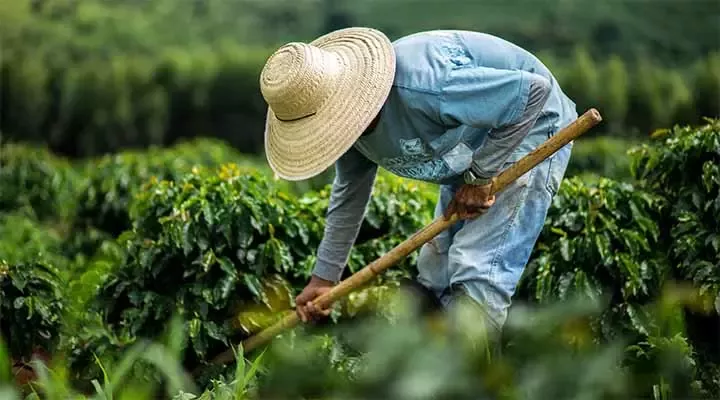
-
Human rights We are committed to respecting and promoting human rights across our value chain, using our scale to raise awareness, build capacity among our colleagues and business partners, and empower communities and individuals.READ MORE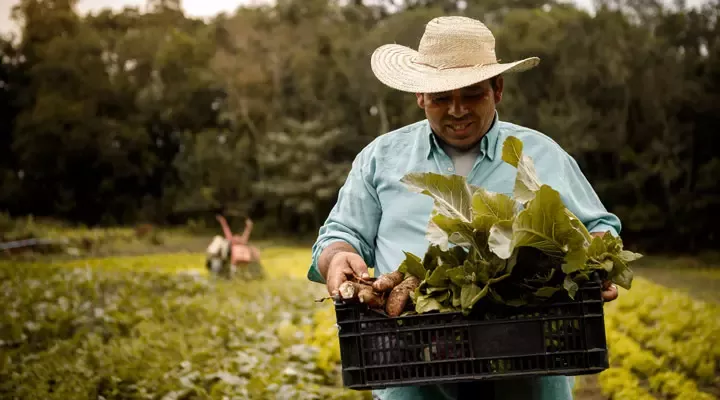
-
People and communities We respect and encourage our employees and value their potential. At the same time, we are working to support the well-being of communities and facilitate a transition toward regenerative agriculture practices.READ MORE
-
Business ethics For Nestlé to be successful over time, we must continue to earn and retain the trust of our employees, consumers, customers, suppliers, shareholders and wider society.READ MORE
-
Performance and reporting Transparent, public reporting on our activities, commitments and performance is central to how we do business at Nestlé.READ MORE