
By 2050, the world's population is expected to reach almost 10 billion, making today's food supply more challenging than ever. The lack of affordable nutritious foods continues to be a challenge with millions still suffering from hunger, micronutrient deficiencies and malnutrition.
On the other hand, consumers are demanding healthier, natural and more authentic food products and are shifting towards a plant-based diet. Sustainability concerns and environmental pressures are leading some consumers to seek food choices that consider both personal and environmental factors. Additionally, we are in the era of a digital transformation, which means we must create products and services relevant for a tech-savvy generation.
We can only meet the needs of this growing population through disruptive innovation. This is why at Nestlé we have adopted a multi-faceted approach to how we innovate. We recently advanced product-reformulation and packaging-innovation initiatives intended to respond to consumer needs and reduce specified environmental impacts.
Adopting new ways of working
Globally we have 23 R&D centers with 3,900 employees, tasked with discovering and developing innovative products that fuel business growth. Today, we are adopting new ways of working, enabling us to launch consumer-centric products quicker than ever. This includes simplifying our processes, having a leaner organization and funding fast-track projects. To ensure the early translation of science into groundbreaking innovations, we are also upgrading our R&D centers to include prototyping facilities and pilot-scale equipment that all our employees can use.
We are strengthening collaborations with suppliers and our commercial operations to bring trend-based products to market faster and more efficiently. For example, we established new R&D China facilities closer to our suppliers, manufacturers and our business operations. Our R&D Center in Bridgewater, NJ, USA, is also now co-located with the U.S. headquarters of Nestlé Health Science. This allows for deep integration between the R&D and commercial functions of the business, to accelerate the launch of science-based nutritional solutions.
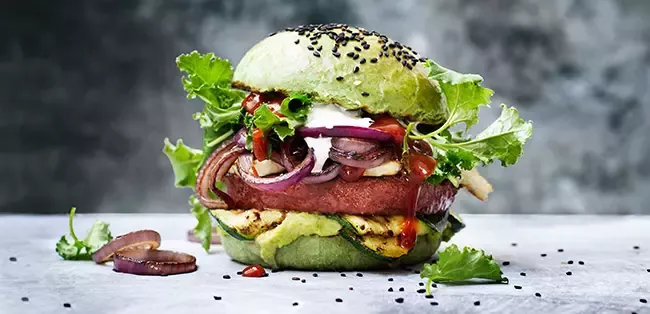
We have already seen success with our new ways of working. In the first half of 2019 alone, we launched products such as the Garden Gourmet plant-based burger and a new range of Starbucks products, all with a 'speed to market' mindset. In addition, we have rolled out our infant formula with Human Milk Oligosaccharides (HMOs) across 44 markets in just 12 months and invented the first dark chocolate made entirely from cocoa fruit for our KitKat brand.
Taking open innovation to a new level
We recognize the need to collaborate differently with suppliers, researchers and start-ups. For example, strategic innovation partnerships play a key role as we make progress towards improving the environmental performance of our packaging. We have joined forces with partners such as Danimer Scientific to develop plastic products and PureCycle to deliver recycled polypropylene.
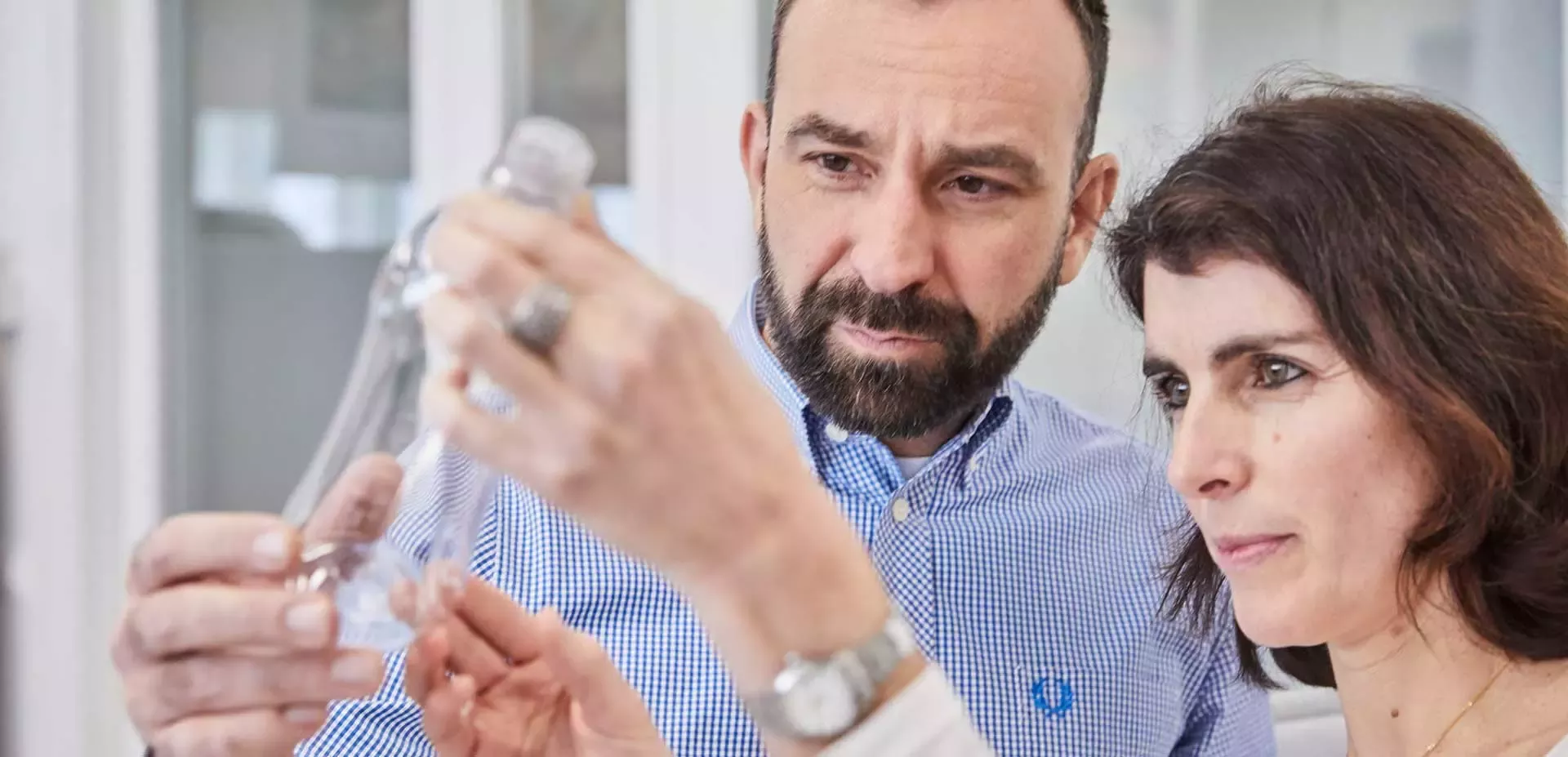
For a few years, we have also been actively involved with external innovation acceleration programs such as Mass Challenge Switzerland, EIT Food and Venture. Through these various programs, we are strengthening entrepreneurship by helping disruptive start-ups refine their value proposition and bring it to market faster.
We are pushing the boundaries further by combining the creativity of young researchers and the disruptive spirit of start-ups, with our scale and expertise, to create an innovation powerhouse: the Nestlé R&D Accelerator. The accelerator is based in Lausanne, Switzerland, at the heart of a unique innovation ecosystem comprising several Nestlé R&D units, leading universities, suppliers and start-ups.
With 1400 m2 of space, the accelerator is one of the largest of its kind in the food industry. External teams will have access to our R&D expertise and infrastructure, including hot desks, labs, kitchens, bench-scale and pilot-scale equipment. Over periods of six months, they will discover and test new concepts. Together, we’ll work on Nestlé projects intended to support people and communities in the markets where we operate.
Contributing to local innovation ecosystems
We are also committed to strengthening local innovation ecosystems in countries we operate. We want to bring together the most creative ideas from wherever they exist locally and help to turn them into reality. The resulting breakthrough innovations not only address local challenges, but can be important economic growth drivers.
In Sub-Saharan Africa we launched a R&D innovation challenge, targeted at startups and universities across six countries. The challenge seeks ideas for packaging solutions intended to reduce environmental impacts, approaches intended to improve the sustainability of cocoa plantlet cultivation and distribution, affordable nutrition solutions, and new routes to market.
To engage China's research community, we launched an open innovation challenge to encourage the development of innovative packaging solutions, in collaboration with Tsinghua x-lab in Beijing, China.
We also joined forces with Swiss universities including ETH Zurich, the Ecole Polytechnique Fédérale de Lausanne (EPFL), and Swiss companies Bühler and Givaudan, to launch the Future Food Initiative. The initiative supports the development of trend-based, tasty, nutritious and food and beverage products, and includes a postdoctoral fellowship program to support young scientists. In addition, we have co-founded the Swiss Food and Nutrition Valley association with our partners - EPFL, EHL and the Swiss Canton of Vaud - to develop solutions for the future of food and nutrition, using cutting-edge science and technology.
As we look ahead, innovation will continue to be at the core of our efforts and in line with our company purpose to unlock the power of food to enhance quality of life for everyone, today and for generations to come. We believe our approach can support long-term business success while contributing to measurable outcomes for consumers, communities and the environment.
Biodegradable
Material that can be broken down by micro organisms into natural substances such as carbon dioxide, water, and biomass, under specific environmental conditions; biodegradability depends on the conditions and time frame and does not necessarily occur in the natural environment.