
Scroll through social feeds and you will come across a coffee post. And more often than not, it's a cold coffee - because that's how the new generation of coffee drinkers came to coffee.
Half of Gen Z in North America have their first-ever cup of coffee cold, not hot. One in three coffees consumed out of home globally is now ordered cold. In the US alone, non-espresso cold formats - cold brew, nitro, frozen blended - shot up nearly 42% between 2020 and 2025, according to the US National Coffee Association.
All this points to a shift in consumer habits, which is why cold coffee is one of Nestlé's growth platforms. We're expanding the geographic footprint of cold coffee offering as well as our ready-to-drink business and launching innovations to appeal to a new generation of coffee drinkers.
Why cold coffee tastes different and why that matters
The cold coffee trend did not start online. It started in coffee shops, which introduced a generation to iced drinks long before they had their first hot espresso. What kept them there was taste.
Ice dilutes coffee's natural bitterness and intensity, producing a smoother, milder cup that pairs easily with flavored syrups and milk alternatives - a profile many younger drinkers find more approachable than a strong black coffee.
Cold coffee is no longer tied to summer heat. Younger generations opt for cold - a milder, more customizable drink - whenever the mood or moment suggests. For us, that's the real opportunity: cold coffee taps into occasions across the day that coffee didn't previously reach.
A bigger market for cold coffee
The numbers reflect the scale of that opportunity: 66% of 25- to 39-year-olds drink specialty coffee, with 75% of specialty coffee drinkers agreeing that cold brew is cool or trendy. The global cold brew coffee market, worth almost USD 4 billion in 2026, is expected to double through 2031.
Consumers' cold coffee journeys may have started in a café, but we were prepared to bring that cold coffee experience home.
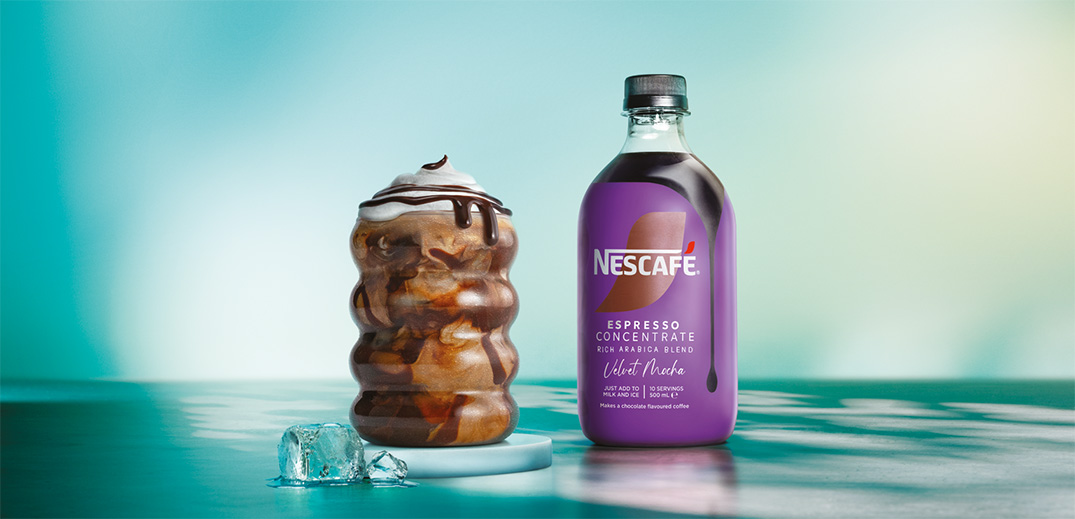
That thinking shaped Nescafé Espresso Concentrate: a product designed to create café-style iced coffee in the comfort of your kitchen, without special equipment or barista skills. Launched in Australia and China in 2024, and now in the US and across Europe, it's a customizable base: just pour it over ice and add milk, fruit juice, or sparkling water, to your taste.
It's introducing the Nescafé brand to a younger audience, meeting them with how they enjoy their coffee at home.
We've extended that same thinking across two other major brands, each reaching a different consumer:
- Nespresso's year-round Over Ice collection targets the premium capsule drinker who wants cold built into the system.
- Starbucks Coffee Craft concentrate, launched first in Japan, Korea and the UK this year, brings coffeehouse-quality iced drinks home.
With Nescafé, Nespresso and Starbucks Coffee at Home we can reach different customer profiles and needs - together, they let us satisfy everyone from coffee connoisseurs to the novice who just wants a simple, affordable cup to start the day.
Innovation is key
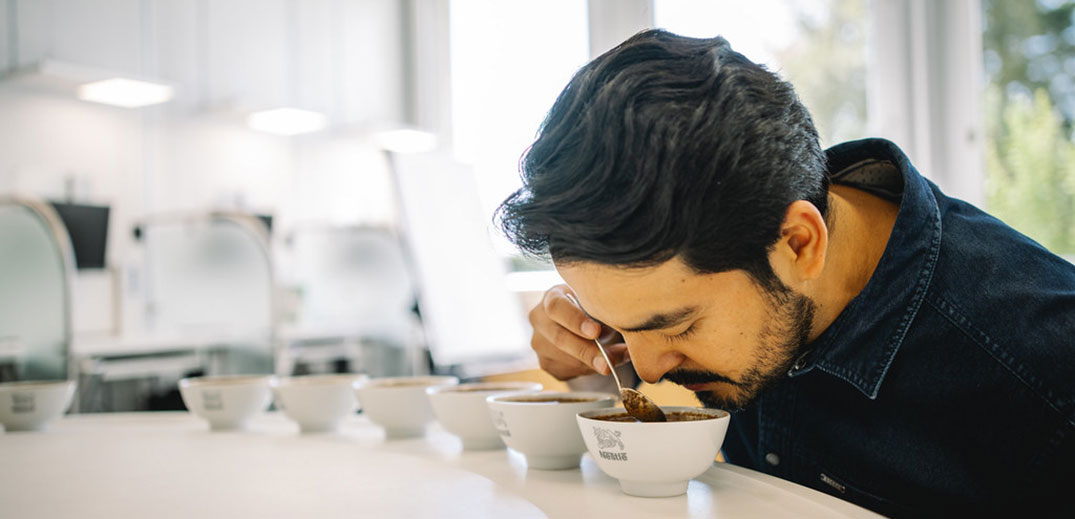
What makes these products possible is the science and technology behind them. At our coffee R&D center in Orbe, Switzerland - the company's global hub for coffee innovation - teams work hard to solve the unique technical challenges that cold coffee presents.
One recent breakthrough came in developing an innovative freeze-drying technique that lets premium soluble coffee dissolve smoothly in cold liquids, a problem conventional methods struggled with. The technology creates a new cold coffee consumption occasion by combining the convenience of soluble coffee with the quality consumers expect from premium coffee. First used in Nescafé Iced Blend, the science now helps to drive cold coffee innovation across the portfolio.
The wider shift
What is really changing is the relationship between consumers and the category. Younger drinkers discover coffee through social media, not traditional advertising - they want to have fun with a product first and post their own experience after.
Meeting that shift takes more than a new product: it means showing up differently, from partnering with digital creator Zach King as Nescafé's first-ever global brand influencer, to sponsoring shows like 'Love Island' in the UK and running sampling events on Bondi Beach in Australia.
It's a deliberate shift from telling consumers what coffee is to giving them the tools and the platform to make it their own.
Key takeaways
- Cold coffee trend: Half of Gen Z in North America drink their first-ever cup of coffee cold, not hot - and one in three coffees consumed out of home globally is now ordered cold.
- Cold brew growth: US non-espresso cold coffee formats (cold brew, nitro, frozen blended) grew nearly 42% between 2020 and 2025, with the global cold brew market - worth almost USD 4 billion in 2026 - projected to double by 2031.
- Nestlé cold coffee strategy: Nestlé has named cold coffee a priority growth platform, investing across its Nescafé, Nespresso and Starbucks coffee brands to meet demand.
- Coffee innovation: Nescafé Espresso Concentrate lets consumers create café-style iced coffee at home, backed by an R&D breakthrough at Nestlé's Orbe, Switzerland center enabling soluble coffee to dissolve smoothly in cold liquids.
- Specialty coffee marketing: Nestlé is reaching younger consumers through influencer partnerships (including creator Zach King), entertainment sponsorships like Love Island, and experiential sampling events.