Climate action by our brands

The mix of products and ingredients we use in our portfolio impacts our overall carbon footprint. Recipe reformulation, product line diversification and food waste reduction are ways in which we can advance our aim of reaching net zero emissions by 2050.
As part of our Roots of Net Zero integrated climate and nature strategy and transition plan, we are evolving our portfolio. This includes launching new products, such as plant-based options, and reformulating some of our existing products, product line diversification and food waste reduction as further described below.
Key terms explained
Net zero
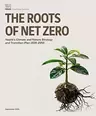
In 2019, we announced our ambition to reach net zero GHG emissions by 2050 at the latest. In 2026, we updated our timebound plan, the Nestlé Roots of Net Zero (pdf, 14Mb), which underpins our Group’s climate strategy and acts as our transition plan aligned with a 1.5°C pathway as validated by the Science Based Targets initiative (SBTi). We will balance any remaining emissions through high-quality nature-based solutions, such as agroforestry, silvopasture and the restoration of forests and peatland. Read more about net zero.
Net zero
In 2019, we announced our ambition to reach net zero GHG emissions by 2050 at the latest. In 2026, we updated our timebound plan, the Nestlé Roots of Net Zero (pdf, 14Mb), which underpins our Group’s climate strategy and acts as our transition plan aligned with a 1.5°C pathway as validated by the Science Based Targets initiative (SBTi). We will balance any remaining emissions through high-quality nature-based solutions, such as agroforestry, silvopasture and the restoration of forests and peatland. Read more about net zero.
Evolving our product portfolio to support our net zero journey
KitKat: an iconic brand working for people and the environment
As the champion of breaks, KitKat uses Breaks for Good to highlight its actions across the value chain.
Since 2023, part of the KitKat products, produced in Europe, are made with cocoa liquor coming from the farming families engaged in the Nestlé income accelerator program. This program is centered on cocoa-farming families and aims to help close the living income gap and reduce child labor risks by encouraging change, rewarding practices through a mix of cash incentives and training programs. It supports cocoa-farming families in using techniques such as pruning to help boost productivity, and planting forest and fruit trees to help support biodiversity. Additionally, it assists with school expenses, helping children to get into the classroom. The program also includes cash incentives for farmers for performing agroforestry activities to increase climate resilience, like planting shade trees as well as generating diversified incomes, for example through growing other crops in between cocoa trees, also called intercropping. This helps advancing the adoption of regenerative agriculture practices in our cocoa supply chain.

Nespresso and our climate journey
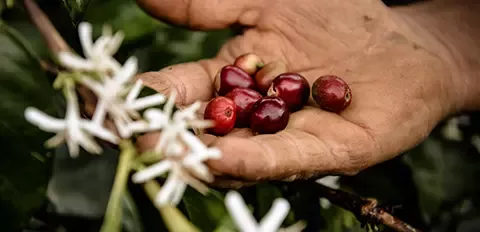
Nespresso is accelerating action to reach the Science Based Targets initiative (SBTi) approved net-zero GHG emissions by 2050 goal through three key levers: decarbonization of the Nespresso green coffee supply chain and adoption of regenerative agriculture practices, innovation and redesign in products, systems and markets; and optimization of energy and logistics.
Key terms explained
Regenerative agriculture
In line with the Sustainable Agriculture Initiative Platform, Nestlé defines regenerative agriculture as an approach to farming which aims to conserve and restore natural resources, primarily soil, as well as water and biodiversity, while capturing carbon in soils and plant biomass, and to support farmers’ livelihoods. Examples of regenerative agriculture practices include reduced tillage and agroforestry. More information is available in our Nestlé Agriculture Framework (pdf, 19Mb). Read more about regenerative agriculture.
Green coffee
Green coffee is the raw and unroasted beans of the coffee plant.
Living income
'Living income' defines the net income a household needs to earn in order to enable all members of the household to afford a dignified and decent standard of living, including basic needs (food, water, housing, education, health care, transportation, clothing, other essential needs and a provision for unexpected events). Read more about living income.
Regenerative agriculture
In line with the Sustainable Agriculture Initiative Platform, Nestlé defines regenerative agriculture as an approach to farming which aims to conserve and restore natural resources, primarily soil, as well as water and biodiversity, while capturing carbon in soils and plant biomass, and to support farmers’ livelihoods. Examples of regenerative agriculture practices include reduced tillage and agroforestry. More information is available in our Nestlé Agriculture Framework (pdf, 19Mb). Read more about regenerative agriculture.
Green coffee
Green coffee is the raw and unroasted beans of the coffee plant.
Living income
'Living income' defines the net income a household needs to earn in order to enable all members of the household to afford a dignified and decent standard of living, including basic needs (food, water, housing, education, health care, transportation, clothing, other essential needs and a provision for unexpected events). Read more about living income.
Plant-based options
We produce a growing range of plant-based alternatives to meat products, which includes burgers, sausages, tuna and filet pieces, as well as veggie-centric bakes and falafel. For example, Maggi Rindecarne is a mix of soy and spices that allows consumers to prepare a dish combining meat and plant-based proteins, doubling the amount of servings at an affordable price.
Innovating with fewer emissions
We are launching new product innovations intended to provide consumers with lower-carbon choices. For example, in Nigeria, we launched Nido Milk and Soya, combining the goodness of milk and soy. The product is a source of proteins, fibers, iron and calcium, and is fortified with essential vitamins.
Also, in the Philippines, we expanded the popular Bear Brand range with a new offering of milk blended with plant-based protein. By combining plant-based and animal-based proteins we reduce our carbon footprint.