Cereals and grains

Wheat

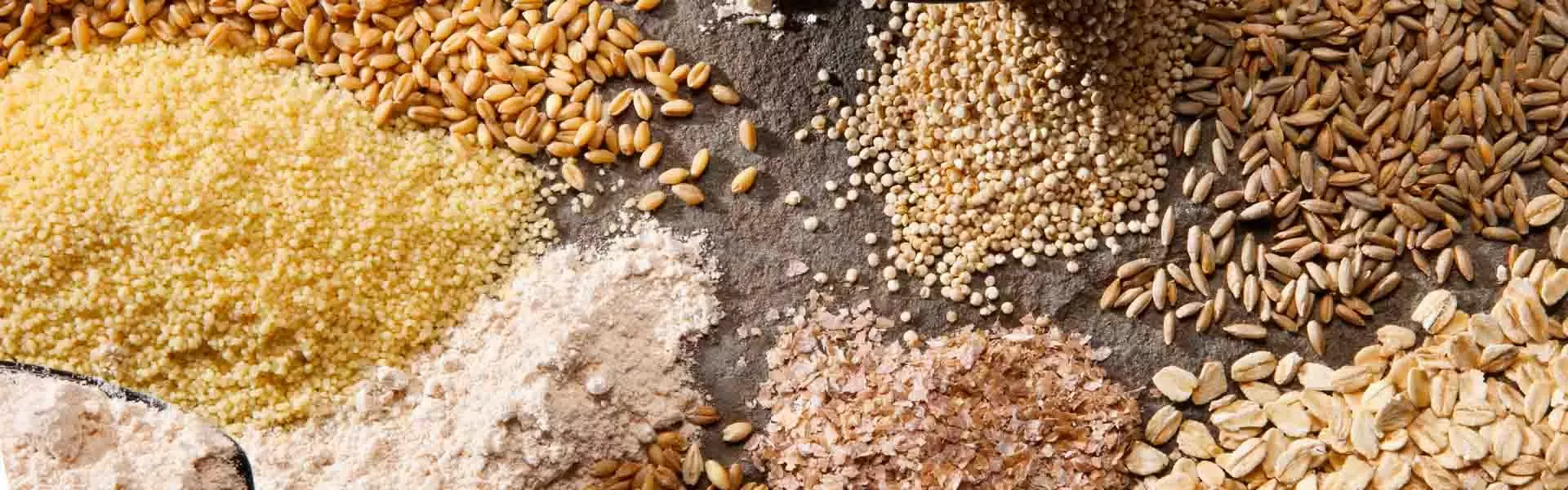
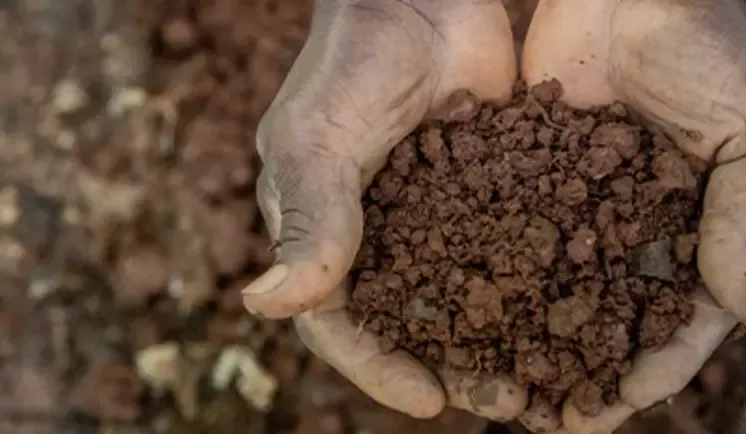
Cereals and grains, particularly wheat and corn, are important raw materials for several of our food and beverage ranges, including breakfast cereals, pasta and pizza. The cereals supply chain contains various challenges, especially for wheat. We work closely with Control Union, non-governmental organizations like The Nature Conservancy (TNC) and suppliers to map our supply chains and identify and address key challenges. One area of engagement is on good agricultural practices. Our main focus is on soil, with projects running in collaboration with Earthworm Foundation in France and with TNC in the US.

Our cereals and grains supply chain

82 %
59 %

Our approach to sourcing cereals and grains sustainably

We source cereals and grains from around the world with most of our supply coming from Argentina, Australia, Brazil, France, Mexico, Russia, the UK and the US. We buy cereals from commodity traders (such as Cargill) as well as co-operatives who often buy materials from other traders. This means they have little visibility of their supply chain, which in turn impacts visibility of our own. Nonetheless, we have made progress and are committed to holding our suppliers and ourselves accountable, as well as driving industry-wide transparency.

Our cereals and grains supply chain poses several other challenges, including environmental, social and economic issues such as soil erosion, water quality degradation, loss of biodiversity and an aging farming population. There is also a lack of interest from younger generations to go into farming. We are taking the same approach as with other priority raw materials, with programs aimed at developing better agricultural practices and improving farmers’ livelihoods.

We aim to source from suppliers where the operations, as well as the farms that supply them, comply with local laws and regulations and with our Responsible Sourcing Standard (pdf, 2.4Mb).

Transparency

To hold our suppliers and ourselves accountable and drive industry-wide transparency, we have published the list of our Tier 1 suppliers (pdf, 300Kb) and the list of our Tier 2 suppliers (pdf, 400Kb) in our supply chain, along with the countries of origin.

Natural capital

Quality raw materials come from healthy farms. This starts with nature’s systems, including water, soil health and biodiversity, working in balance. We work hard to add value to agricultural lands in regions where we source crops, to complement the good work that farmers are already doing.

In the US, our pet food division Nestlé Purina is working with farmers, conservation groups, government agriculture agencies, university experts and other companies to improve that balance. In total, we contribute to six multi-stakeholder projects – on topics such as improving soil quality, irrigation and nutrient management in rivers – located in regions in the Midwestern US where our raw materials are sourced (see the map below). Each of these projects contributes to improving the ecosystems on which agriculture relies by conserving and protecting the environment while supporting local farming communities. The project will restore wetlands on 650 acres of river-edge land, which will encourage biodiversity, including water birds, amphibians and water-loving plants, and soak up carbon and nutrients in the water.

Map of agricultural conservation and value-added projects. ReThink Soil Partnership, Prairie Pothole Region, Rice Stewardship Partnership, Wabash Nutrient Management, Central Nebraska Irrigation, Iowa Living Lakes


In addition, Nestlé Purina is working with farmers to improve soil health.

The Wabash River, which flows through agricultural lands in Indiana and Illinois, contributes 1% of the water volume and 11% of the nutrients that flow into the Mississippi River. TNC, together with farmers, government conservation agencies and Nestlé Purina, is reconnecting the Wabash River with its floodplain at key junctures to slow the flow of the river and capture nutrients and sediment through installed wetlands and woodlands (see tables for key performance data). This is resulting in cleaner water flowing into the Mississippi River. Based on a number of scientific studies, TNC estimates that 40% of the nutrients and sediment that flow through wetlands are removed before the cleaner water continues its journey downstream.

Key facts
# of acres Purina is contributing to the Nature Conservancy’s work on around 600 acres of their full 10 000-acre project
# of farmers involved 13 farmers (directly, through restoration projects on the land)
Funding contribution USD 600 000 (CHF 528 500) over six years (ending YE 2021)
Technology contribution

In addition to wetland installation, Purina’s funding contributed to the purchase of a Super Gage* – an in-river measurement tool to continuously read water velocity, nutrient levels and other factors that can correlate to weather and activities on the land. The water quality data provided from the gage is serving as the cornerstone of planning and for illustrating progress of Indiana’s State Nutrient Reduction Strategy. The strategy contains goals that will be communicated to each of the 58 000 farmers in Indiana.

* Old English spelling kept by United Stated Geological Service


KPIs
Tonnes/ Year of Nutrient Loading Reductions 2017-2018: 5.2 tonnes/year reduction of nitrogen and phosphorus in the Wabash River; overall, 90% of the nutrients in the system are nitrogen
Nutrient reductions, future years Note: funding in years 2017 and 2018 went largely to fund the Super Gage, so reductions in 2019–2021 will be larger and will contribute more to the nutrient reduction goal
Acres restored 2017-2018 164 out of 600 Purina project acres total 


See our video for more about this project.

Nestlé and Purina were early champions of The Nature Conservancy’s (TNC) work to help advance adoption of soil health practices on 50% of row crop acres in the US by 2025. This relates to corn, wheat, soybeans, rice and cotton crops. The farming practices are designed to capture and store carbon in the ground and improve soil’s ability to store and recycle water and nutrients. Cover crops like ryegrass and clover slow soil erosion, enhance water availability and increase biodiversity while minimizing tillage and increasing seasonal rotation of crops keeps soils fertile, biologically active and intact. In addition to supporting a healthy environment, these measures will also help increase yields and profits – a win for farmers and the planet.

As part of these efforts, TNC launched the reThink Soil Roadmap, outlining critical steps for achieving widespread adoption of soil health practices and highlighting the potential economic and environmental benefits. TNC-led research is supporting the development of these soil health solutions that inform farm and business practices. It is also galvanizing policy, markets and coalitions to maximize the benefits of healthy soils for people, nature and our global climate. We are supporting this research, helping advance a global movement to champion the transformative role that healthy soils can play.

TNC and partners are now using satellite data to foster adoption of soil health practices covering 135 million acres across the US. Recent successes include launching a database that allows the public to access scientific research on the benefits of soil health practices. TNC is also starting a new phase of pilot projects to test carbon and ecosystem services markets to advance soil health and conservation practices in agriculture.

In addition, TNC is partnering with the Soil Health Partnership (an initiative of the National Corn Growers Association) and the Soil Health Institute to accelerate the adoption of soil health management systems on farms in the US Midwest and throughout the country (see tables).

Key facts
# of acres 200 000 acres distributed over 16 US Midwestern states, which is expected to change norms on 100 million agricultural acres in those states
Funding contribution USD 1 million (CHF 880 850) over five years, ending YE 2021
Technology contribution This project uses a great deal of technology, from cutting-edge soil laboratory analysis to nutrient and moisture sensors and satellite imagery. This enables collection of data that generates recommendations to farmers and allows the public to see the adoption of practices over time


KPIs
Phosphorus reduction 27% reduction in the corn belt – goal exceeded
Nitrogen reduction 4.7 million acres under cover crops
Sediment reduction 27% reduction in the corn belt – goal exceeded
Carbon sequestration 322 384 MT/year more than baseline
Reduced soil erosion 48 million/year tonnes of soil prevented from erosion


If 50% of US wheat, soya and corn cropland were managed with soil health practices, 25 million tonnes of carbon could be sequestered each year!

The Nature Conservancy

Soils are important for our planet. This thin layer, often less than one meter deep, nourishes approximately 95% of the Earth’s population. Agricultural soils only represent about 7% of the Earth’s surface yet they play a vital role in our existence. Their degradation has a major impact on sustainability, biodiversity and global warming. Since 2018, Nestlé has been working with Earthworm Foundation in France to encourage innovative and practical approaches to soil regeneration.

The Living Soils Initiative aims to encourage regenerative agriculture and its benefits for farmland, such as soil fertility, water quality, the prevention of soil erosion and, most notably, carbon capture.

It has three main pillars:

  1. Encourage the adoption of regenerative agriculture. Practices such as reduced tilling, the use of cover crops and longer crop rotations are being encouraged at farm level through trainings and partnerships with farmers.
  2. Measure the impact on soils. Soil health and fertility are measured using a combination of biological, physical and chemical parameters.
  3. Financially support the transition to regenerative agriculture. Remuneration models are being developed to support farmers in transitioning from conventional agriculture to regenerative agriculture.

In 2020, we broadened the scope of this project, engaging five of our largest key ingredients suppliers in France. With these suppliers, our plan for 2021 is to support 250 farmers in the transition to regenerative agriculture.

Soils, together with forests and oceans, are important carbon sinks and are part of the solution to mitigate climate change. By working alongside Earthworm Foundation, we hope to engage farmers in our supply chains, supporting them as they reintroduce life into their soil.

Our pledge to commit to net zero emissions by 2050 will also push us to seek new innovations to offset and inset our emissions through restoration, conservation and reforestation activities at the forest source with our palm oil suppliers.

Related supply chain disclosure documents

Download our Creating Shared Value and Sustainability Report

See performance and reporting
Report