
Soy sourcing
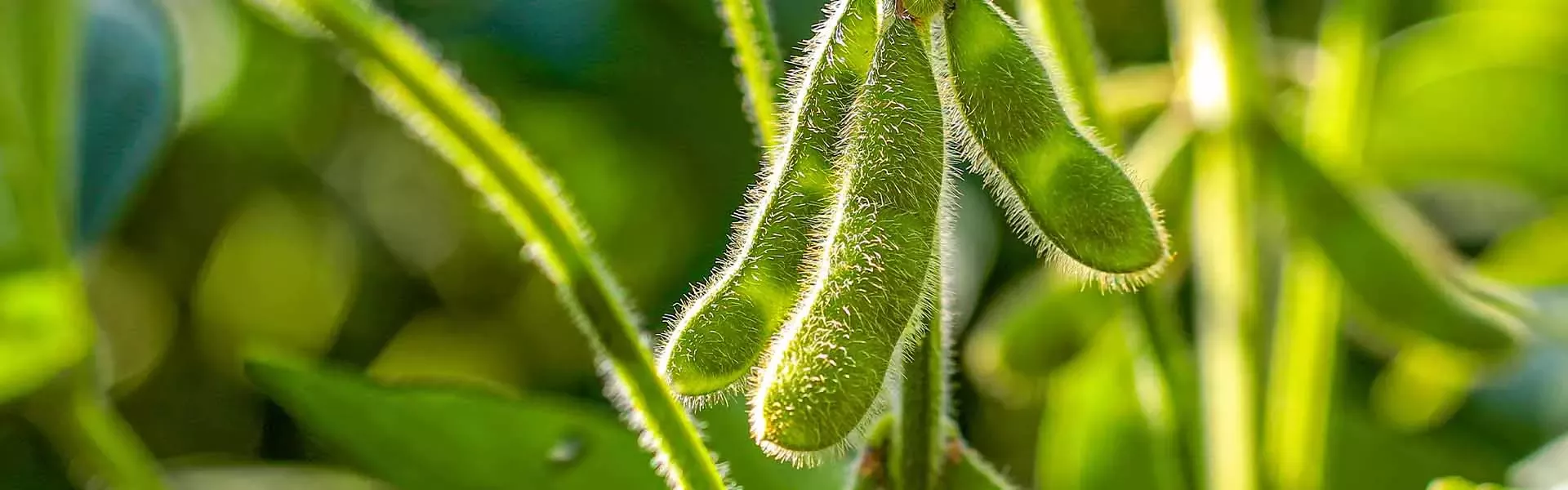
Soy is an important crop for Nestlé. We source it in two main forms: direct soy (soybean oil, soybean meal and derivatives) and indirect soy (animal feed).
Our main uses of soy are for our pet food business and plant-based products. Although not usually labor-intensive, soy production can be linked to the degradation of natural habitats and land rights issues. Nestlé is continually improving the traceability of the soy we source, throughout our supply chains.
Our progress
97.9
%
Learn more in the Environmental Disclosures section of our 2025 Non-Financial Statement (pdf, 18Mb).
Key terms explained
Deforestation-free
Deforestation-free means that commodities in scope were assessed as produced on land that has not been subject to deforestation or conversion after a specific cut-off date that varies by commodity, but no later than December 31, 2020. Read more about deforestation-free.
Deforestation-free
Deforestation-free means that commodities in scope were assessed as produced on land that has not been subject to deforestation or conversion after a specific cut-off date that varies by commodity, but no later than December 31, 2020. Read more about deforestation-free.
Our approach to sourcing soy
Alongside our partner, Proforest, we have developed a 'theory of change' model for the way we source soy. The model sets approaches for both direct and indirect soy sourcing and embeds our learnings with suppliers and key stakeholders.
Our responsible sourcing work currently focuses on assessing and addressing risks of deforestation and conversion of natural habitats. In addition, we are piloting and planning a set of regenerative agriculture programs linked to our soy supply chains across North America, Latin America and Europe.
Beyond our supply chains, we foster collaboration between our programs and landscape initiatives in priority origins to create shared value for soy producers. We focus on the following areas:
- The decoupling of soy expansion from the conversion or destruction of natural habitats
- The adoption of best practices in soy production
- Equal, safe and decent conditions for workers involved in soy production
- Improved access to land and resources for local communities living in soy-producing landscapes
Key terms explained
Regenerative agriculture
In line with the Sustainable Agriculture Initiative Platform, Nestlé defines regenerative agriculture as an approach to farming which aims to conserve and restore natural resources, primarily soil, as well as water and biodiversity, while capturing carbon in soils and plant biomass, and to support farmers’ livelihoods. Examples of regenerative agriculture practices include reduced tillage and agroforestry. More information is available in our Nestlé Agriculture Framework (pdf, 19Mb). Read more about regenerative agriculture.
Responsible sourcing
For Nestlé, responsible sourcing means improving the traceability of our ingredients and monitoring how they are produced. This involves applying our environmental and human rights requirements - detailed in our Responsible Sourcing Core Requirements (pdf, 2Mb) - at the different stages of our supply chain. Examples of these requirements include that land and resources of Indigenous peoples and local communities are respected and that no deforestation and no conversion of forests and other ecosystems occur in our supply chain. Read more about responsible sourcing.
Regenerative agriculture
In line with the Sustainable Agriculture Initiative Platform, Nestlé defines regenerative agriculture as an approach to farming which aims to conserve and restore natural resources, primarily soil, as well as water and biodiversity, while capturing carbon in soils and plant biomass, and to support farmers’ livelihoods. Examples of regenerative agriculture practices include reduced tillage and agroforestry. More information is available in our Nestlé Agriculture Framework (pdf, 19Mb). Read more about regenerative agriculture.
Responsible sourcing
For Nestlé, responsible sourcing means improving the traceability of our ingredients and monitoring how they are produced. This involves applying our environmental and human rights requirements - detailed in our Responsible Sourcing Core Requirements (pdf, 2Mb) - at the different stages of our supply chain. Examples of these requirements include that land and resources of Indigenous peoples and local communities are respected and that no deforestation and no conversion of forests and other ecosystems occur in our supply chain. Read more about responsible sourcing.
Responsible sourcing initiatives in soy
Reducing deforestation risks and biodiversity loss
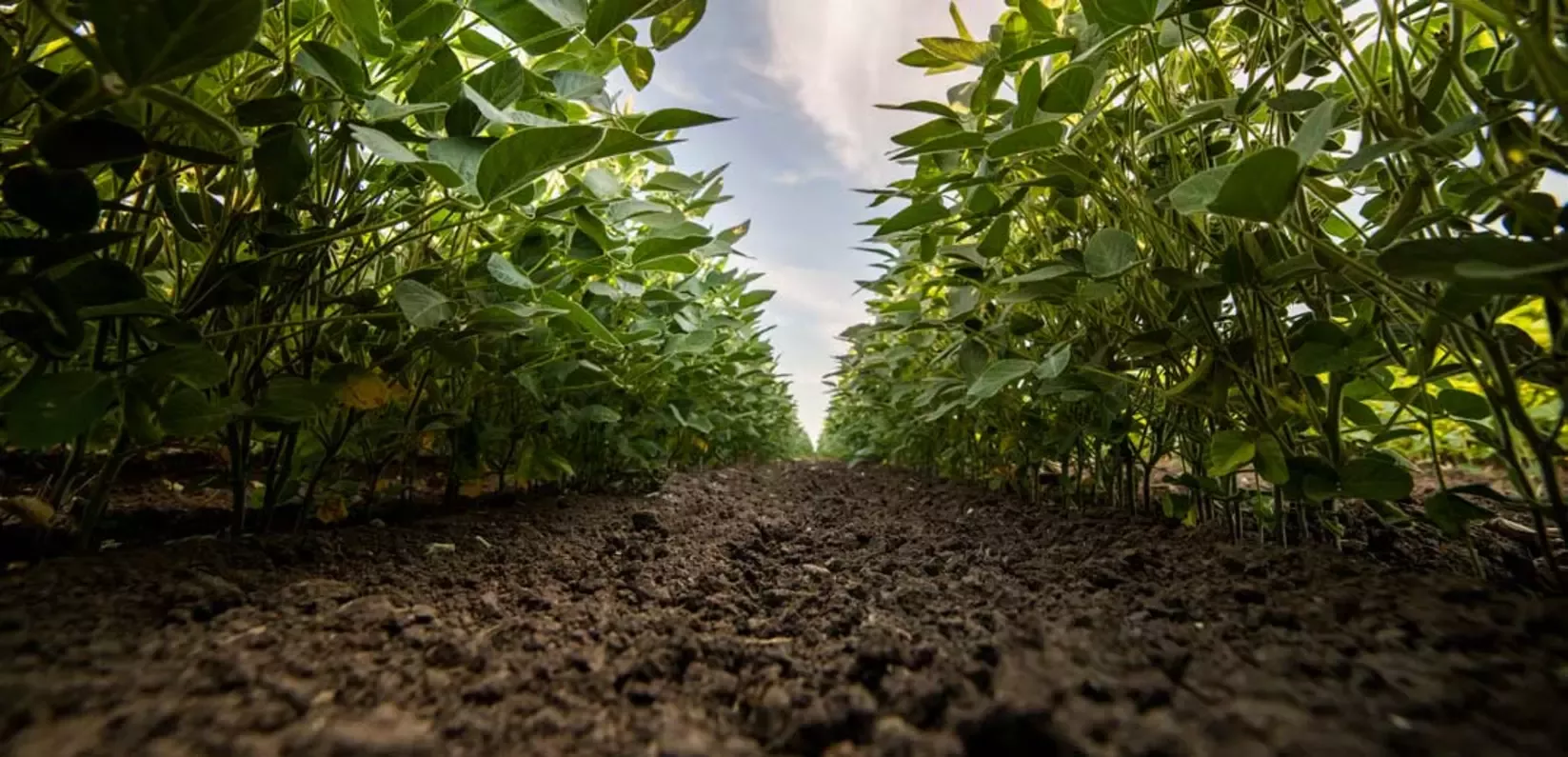
Deforestation and conversion of natural habitat is a risk within soy supply chains in certain parts of Brazil, Argentina and Paraguay. We are working to prevent deforestation through supply chain mapping, certification (i.e. Round Table on Responsible Soy, Proterra), and on-the-ground verification to assess and address risks of deforestation or conversion of natural habitat in our supply chains. For our embedded soy supply chain, we have developed a methodology (pdf, 300Kb) to estimate our embedded soy footprint and our exposure to high-risk origins.
Regenerative agriculture in Latin America
The Nature Conservancy is leading regenerative agriculture efforts in Latin America through The Future of Latin America is Regenerative program. This involves engaging the agrifood sector in ecosystem-based adaptation (EbA) projects to transform three million hectares of agricultural land that aim to benefit climate, biodiversity, productivity, and producers.
The program also includes the Regenerative Ranching & Agriculture (R2A) strategy across Latin America, which aims to embed regenerative agriculture practices in food production while actively restoring natural systems. It is supported financially by Nestlé.
Collective action and engagement
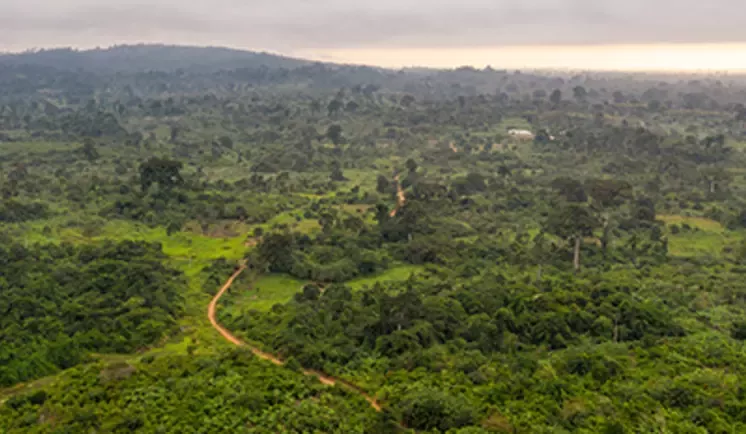
We understand that nurturing responsible sourcing practices in complex supply chains, such as that for soy, poses challenges that no one company can solve alone. Our approach to responsible sourcing includes actions within and beyond our supply chain, including engaging with suppliers and key stakeholders across soy production landscapes.
Improving transparency, traceability and mapping risks
To drive industry-wide transparency, we publish the list of our soy suppliers in our supply chain (pdf, 200Kb), along with their countries of origin.
We also engage with suppliers to progressively map their location and the origin of the soy production. This is important so we can understand our exposure to non-compliance based on our Responsible Sourcing Core Requirements (pdf, 2Mb) – and also to raise awareness among our suppliers that improved traceability in the soy sector is critical.
We have estimated our embedded soy footprint and the portion (pdf, 300Kb) which has potential exposure to countries with ongoing deforestation and conversion risks.