
R&D for sustainability
With around a third of the world's greenhouse gas emissions resulting from food production and agriculture, the way food is grown, produced and chosen needs to change.
We are exploring science-based solutions that can support product and packaging innovation with lower environmental impacts.
Agriculture accounts for nearly two-thirds of our total greenhouse gas emissions. We support farmers in cultivating high-quality ingredients using practices intended to reduce agricultural emissions and impacts on nature. Harnessing our product development expertise, we then combine these ingredients to create tasty and nutritious products protected by optimized packaging.
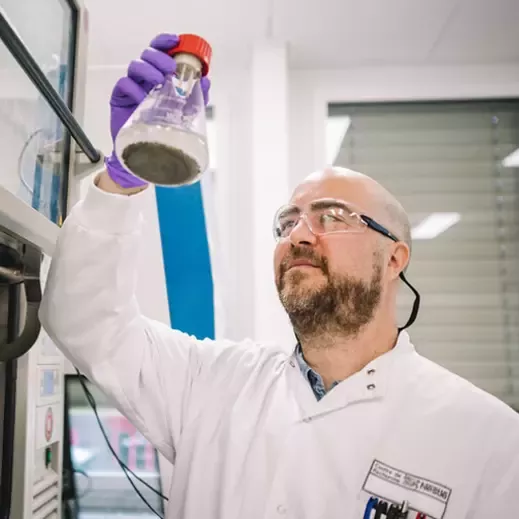
Building a more regenerative food system requires large-scale changes in the way agricultural raw materials are produced and sourced. Our Nestlé Institute of Agricultural Sciences focuses on the assessment and combination of science-based solutions to improve the nutritional and sensorial qualities of agricultural raw materials, as well as their environmental impact.
Our scientists work closely with farmers, universities, research organizations, startups, local governments and industrial partners to explore solutions that consider the different types of dairy production systems worldwide.
For example, we are working with a range of different partners as part of our Dairy Plan. In Switzerland, Nestlé is part of Future Milk, a public-private partnership with the Canton of Vaud, local agricultural partners and a dairy research farm close to our R&D Center in Lausanne, Switzerland. Collaborations with leading Swiss research organizations complement the on-farm research outcomes to ensure that new solutions have a positive impact on soil health, biodiversity and crop growth.
We are also exploring solutions that help to reduce emissions in stall-fed production systems. For example, in Mexico, the Nestlé Institute of Agricultural Sciences signed a six-year research agreement with the Monterrey Institute of Technology and Higher Education and other local partners to collaborate on various research projects. This includes testing and validating both existing and new solutions that reduce dairy emissions, as well as interventions related to manure management and soil health.
Key terms explained
Regenerative food system
A regenerative food system is one that goes beyond reducing harm to actively restoring ecological systems, while at the same time strengthening the social, economic and human rights foundations that food production depends on, so that food systems can sustain nature, people and livelihoods over the long term. Read more about regenerative food systems.
Regenerative food system
A regenerative food system is one that goes beyond reducing harm to actively restoring ecological systems, while at the same time strengthening the social, economic and human rights foundations that food production depends on, so that food systems can sustain nature, people and livelihoods over the long term. Read more about regenerative food systems.
Healthy soils
Soil health is defined as the continued capacity of soil to function as a vital living ecosystem that sustains plants, animals and humans. Healthy soils support clean air and water, bountiful crops and forests, productive grazing lands, diverse wildlife and beautiful landscapes.
Regenerative agriculture
In line with the Sustainable Agriculture Initiative Platform, Nestlé defines regenerative agriculture as an approach to farming, which aims to conserve and restore natural resources, primarily soil, as well as water and biodiversity, while capturing carbon in soils and plant biomass and to support farmers' livelihoods. Examples of regenerative agriculture practices include reduced tillage and agroforestry. More information is available in our Nestlé Agriculture Framework (pdf, 19Mb). Read more about regenerative agriculture.
Biodegradable
Material that can be broken down by micro organisms into natural substances such as carbon dioxide, water, and biomass, under specific environmental conditions; biodegradability depends on the conditions and time frame and does not necessarily occur in the natural environment.
Recyclable
As defined in the Ellen MacArthur Foundation definitions, a packaging or packaging component is recyclable if it is successfully post-consumer collected, sorted and recycled with a recycling rate of 30% in multiple regions, collectively representing more than 400 million inhabitants.
Reusable
Following ISO 18603, reusable is the characteristic of a product or packaging that has been conceived and designed to accomplish within its lifecycle a certain number of trips, rotations or uses for the same purpose for which it was conceived. The weight of reusable packaging is defined by the total weight of reusable packaging, divided by the number of expected rotations over the entire life of the package.
Compostable
A material is considered compostable (whether suitable for home or industrial composting) when, through microbial activity, its biodegradable components break down to form compost as well as naturally occurring gases and water under both aerobic and anaerobic conditions.
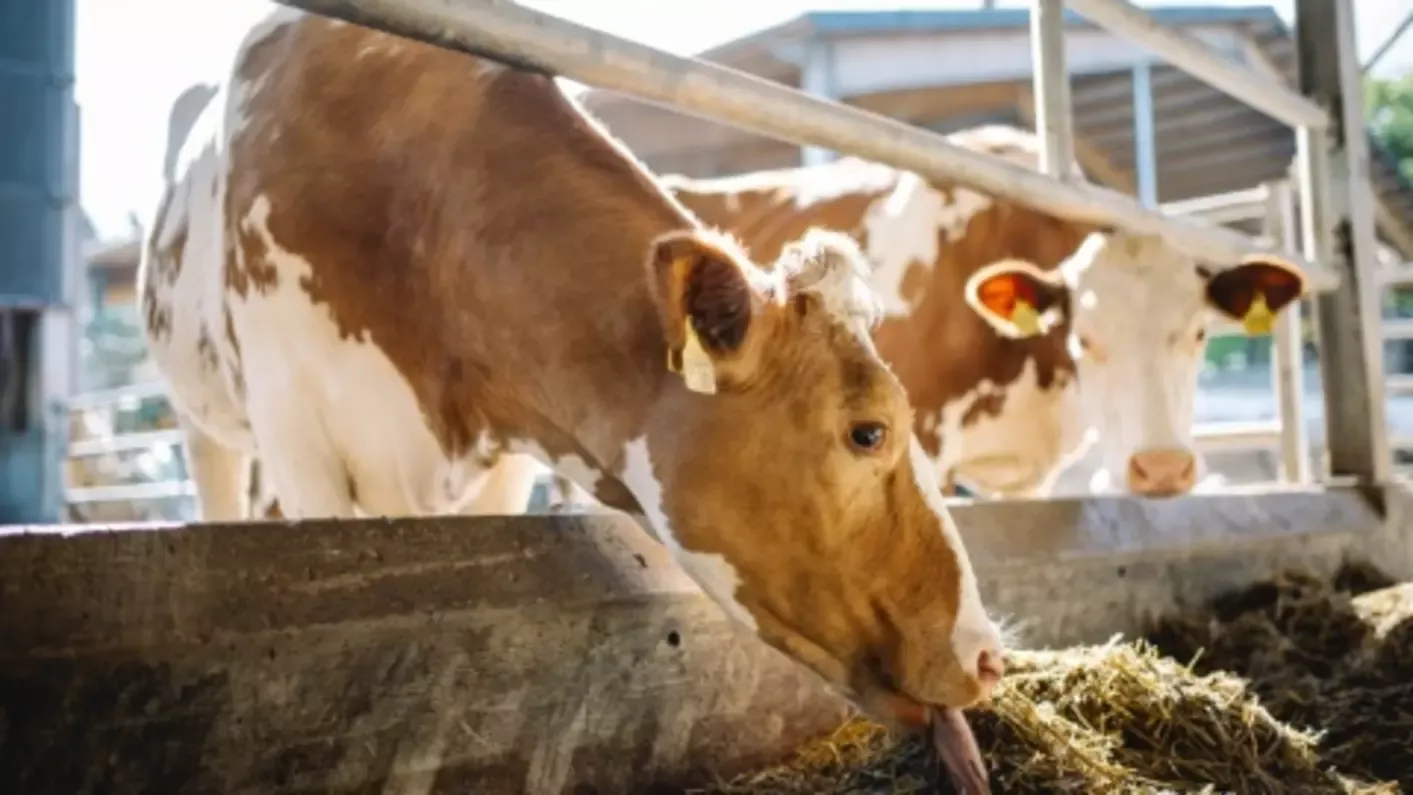
Beyond the implementation of good dairy farming practices, there is a scarcity of proven solutions to further decrease the carbon footprint of dairy. We know that there is no one-size-fits-all solution. Having the ability to carry out research across different dairy production systems is central to supporting the development and adoption of practices aimed at improving soil health, biodiversity, water management and reducing GHG emissions.
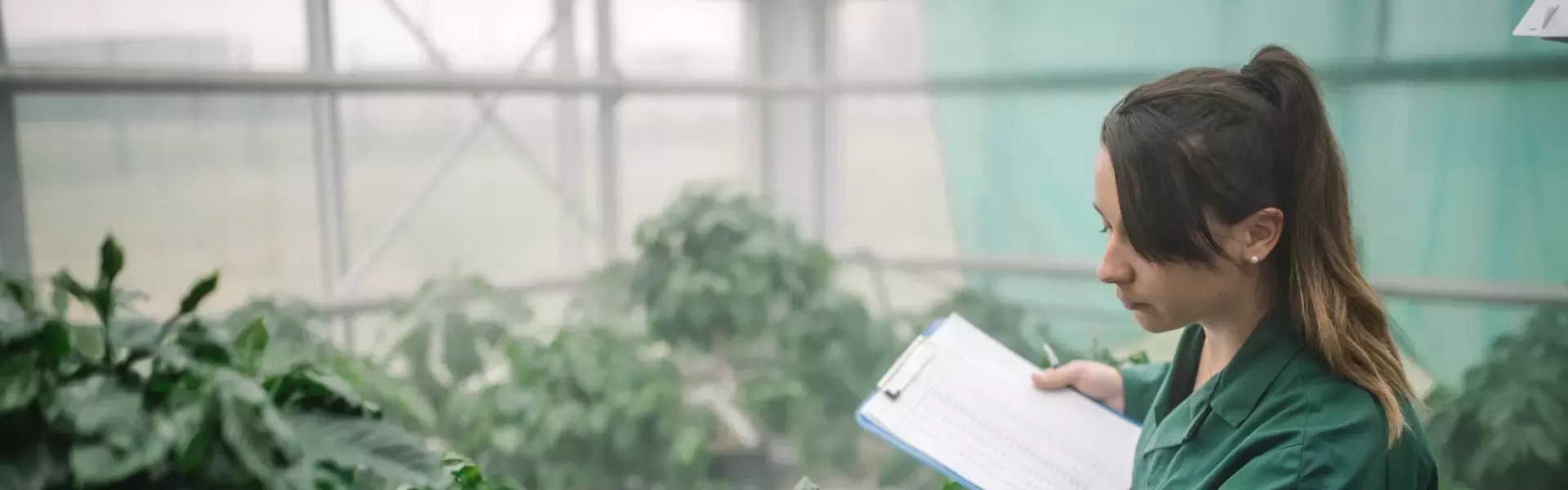
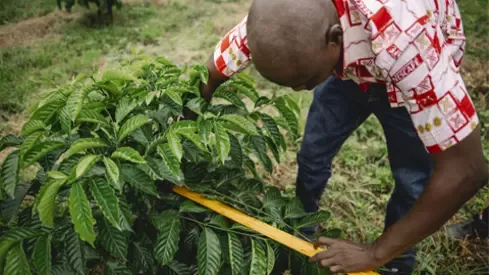
To support arable crops, our plant scientists are working to breed new coffee varieties with higher yields and a lower carbon footprint that are more resistant to disease and drought. We developed the higher yielding Star 4 arabica variety by using traditional breeding methods. The new variety is characterized by its larger bean size and coffee leaf rust resistance. We also leveraged data science and artificial intelligence to develop an arabica reference genome to better identify new coffee varieties.
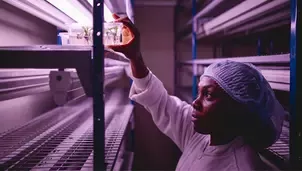
In addition, our plant science team plays an integral role in providing farmers with high-quality cocoa plantlets, to help revitalize fields with more disease-resistant, and thus higher yielding trees. Our experts are exploring the possibility of breeding improved varieties for higher yields, disease resistance and climate resilience.
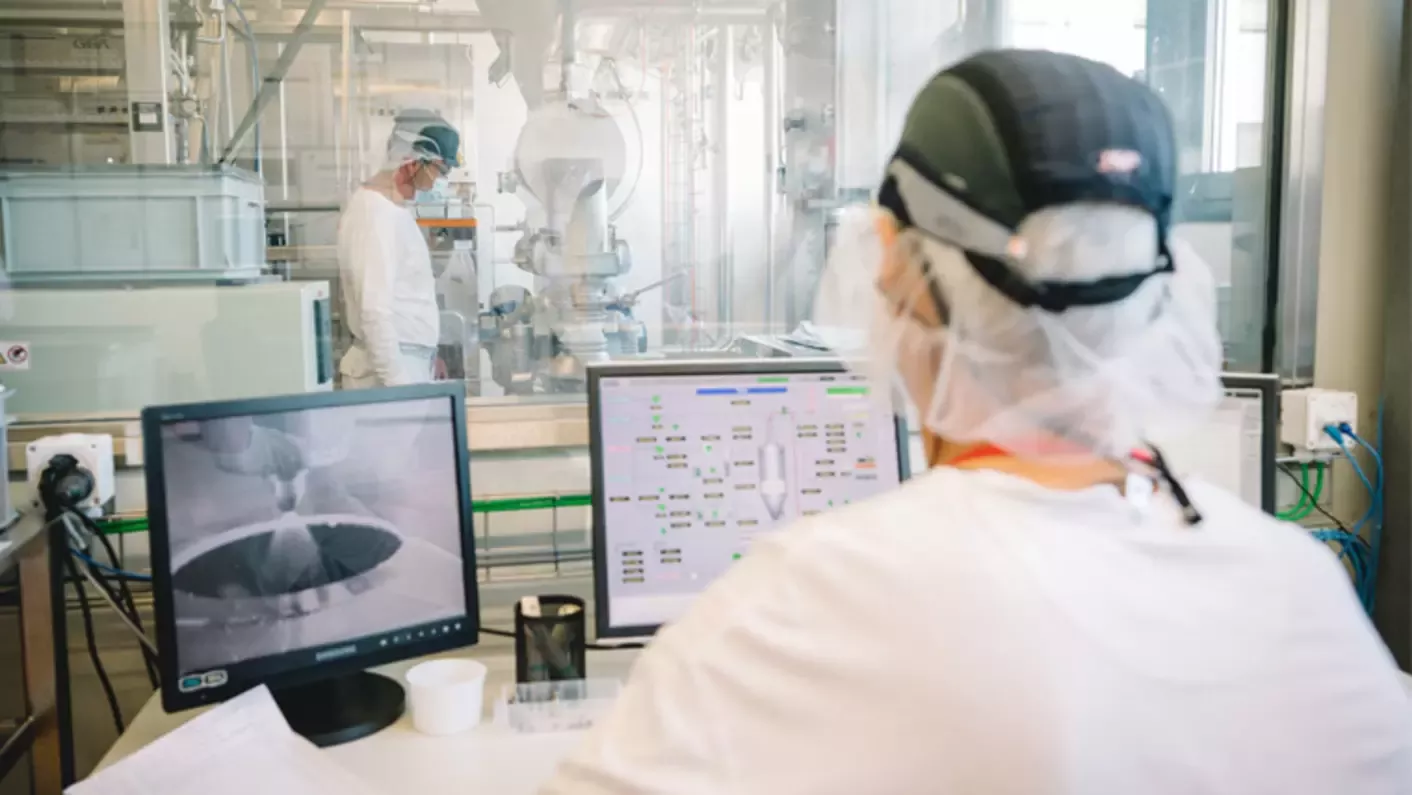
Where our ingredients are made into foods, we’re developing technologies and processes to reduce emissions across all our product categories. This involves optimizing production processes and replacing fossil fuels with greener electricity or alternative energy sources.
Our engineers are exploring novel technologies to roast, extract and freeze dry coffee, develop energy-saving pizza ovens and apply energy recovery technologies to the creation of granulated products. Biomass and electric heaters are being trialed to improve spray drying efficiency in our nutrition business.
We explore innovative packaging solutions that are recyclable, reusable, biodegradable, or compostable. This involves using innovative packaging solutions that are recyclable, reusable, biodegradable, or compostable. We also aim to reduce the overall amount of packaging used and reduce our use of virgin plastics.
Key terms explained
Virgin plastic
Plastic that has not been previously used or subjected to processing other than for its original production. It includes fossil and bio-based plastics.
Virgin plastic
Plastic that has not been previously used or subjected to processing other than for its original production. It includes fossil and bio-based plastics.
This work is being driven by our Institute of Packaging Sciences, which evaluates the safety and functionality of various packaging materials, working with experts across our sites, and with our suppliers, research institutions and startups.
Our packaging experts are exploring recyclable paper-based materials with the necessary barrier properties to protect sensitive products and ensure shelf life. For example, Nescafé Dolce Gusto Neo paper-based compostable capsules were carefully developed to protect the coffee inside the pods, as well as provide optimal functionality with the machine during extraction.
In the United Kingdom, we introduced a high-barrier paper refill pack for Nescafé that allows consumers to refill their glass jars at home without compromising on freshness or quality. This innovation reduces packaging weight by 97 percent and the paper packaging can be recycled in the local paper waste stream. We also developed paperboard canisters for Vital Proteins in the United States, which enabled a 90 percent plastic reduction from the previous packaging. In addition, our experts develop solutions to make accessories linked to product consumption such as forks, spoons, and cups recyclable, compostable, or even edible.
New business models, such as zero packaging or returnable packs to drive circularity, are important, too. Reusable and refillable dispensers allow shoppers to fill their own containers with the amount they choose. In France, we're testing a novel bulk dispensing technology featuring recyclable pouches that are designed to seamlessly fit into designated dispensers and ensure product freshness and quality. We're also extending a successful trial of reusable stainless-steel containers in Germany to France for KitKat Ball and Lion Pops Chocolates.