Nestlé for Healthier Kids
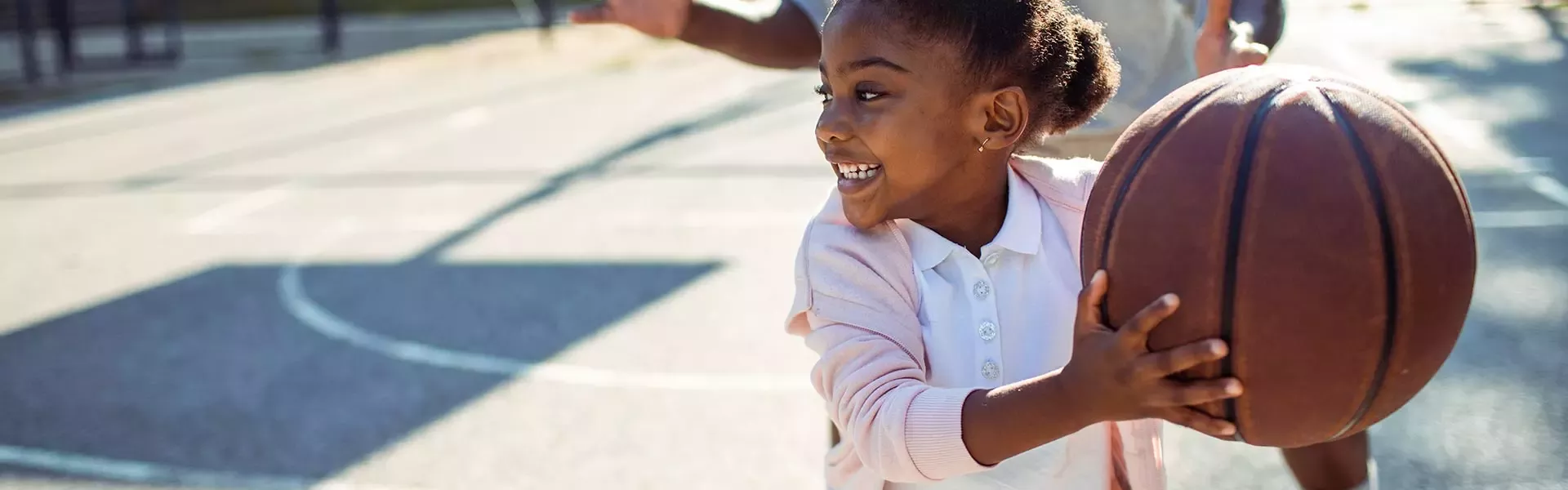
The Nestlé for Healthier Kids program (N4HK) promotes balanced diets and healthy lifestyle habits for children aged 3–12 years and supports parents and caregivers to raise healthier kids.
Through our campaigns and initiatives, we spread awareness about the need to ensure that children get the nutrients to grow and develop properly.
We share knowledge about the benefits of healthy lifestyles in the hope they will take that into adulthood. And we help kids appreciate the difference their individual diet and lifestyle choices make to the planet.
The first years of their lives
Adopting good nutrition habits from an early age is essential to becoming a healthy adult.
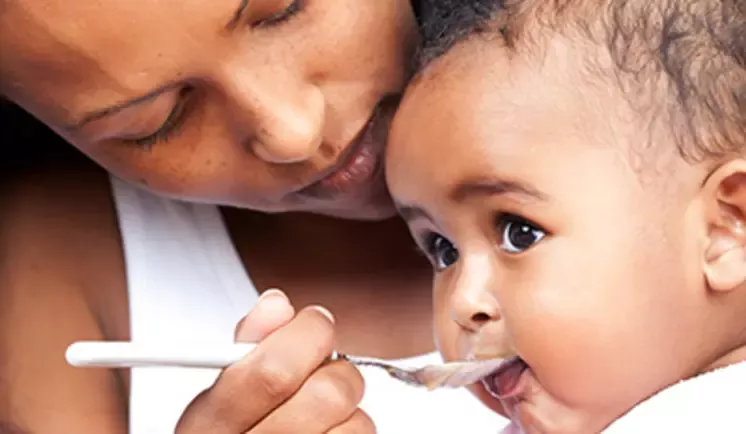
Nestlé Baby & me, a program within Nestlé for Healthier Kids, offers personalized nutrition services to parents in the first 1000 days of their baby’s life – from pregnancy through to the child’s second birthday.
The program is available in over 80 countries and more than 10 million parents are currently registered. Online services include an e-learning course that turns the latest scientific findings into simple, practical feeding advice.
How we are helping to educate kids about healthy lifestyles
Nestlé for Healthier Kids incorporates many areas of our work. Collectively, we are motivated by four core objectives, encouraging kids to:
-
Eat more fruits and vegetables 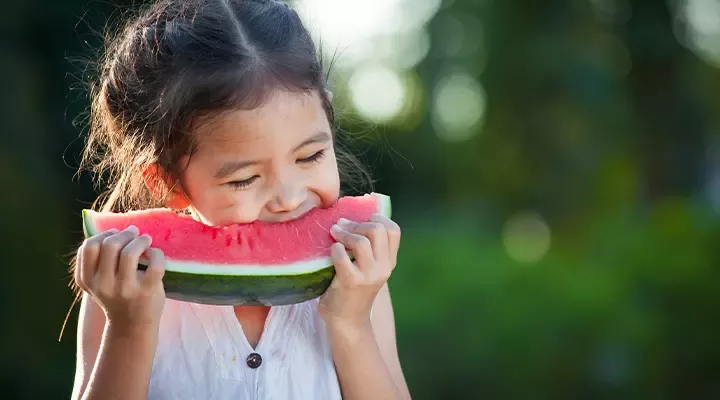
-
Eat adequate portions 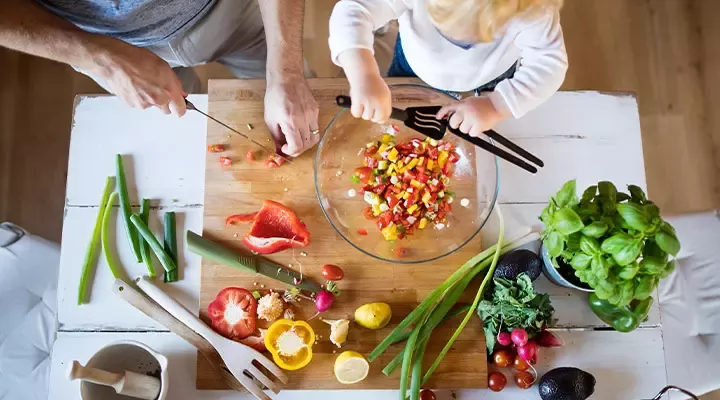
-
Drink more water 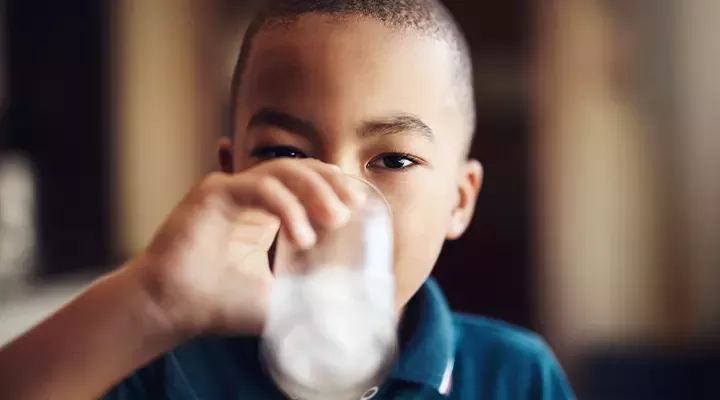
-
Exercise regularly 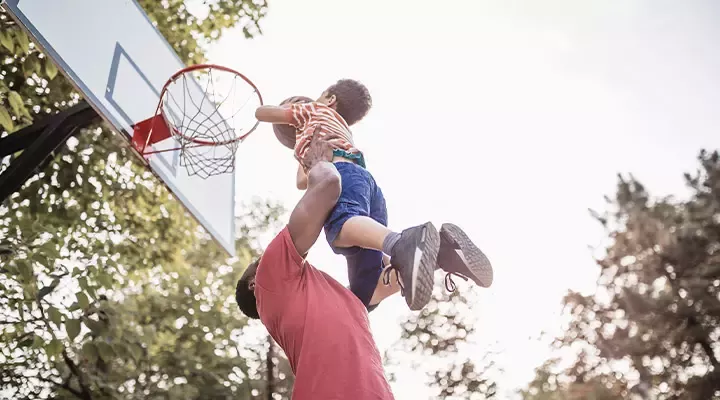
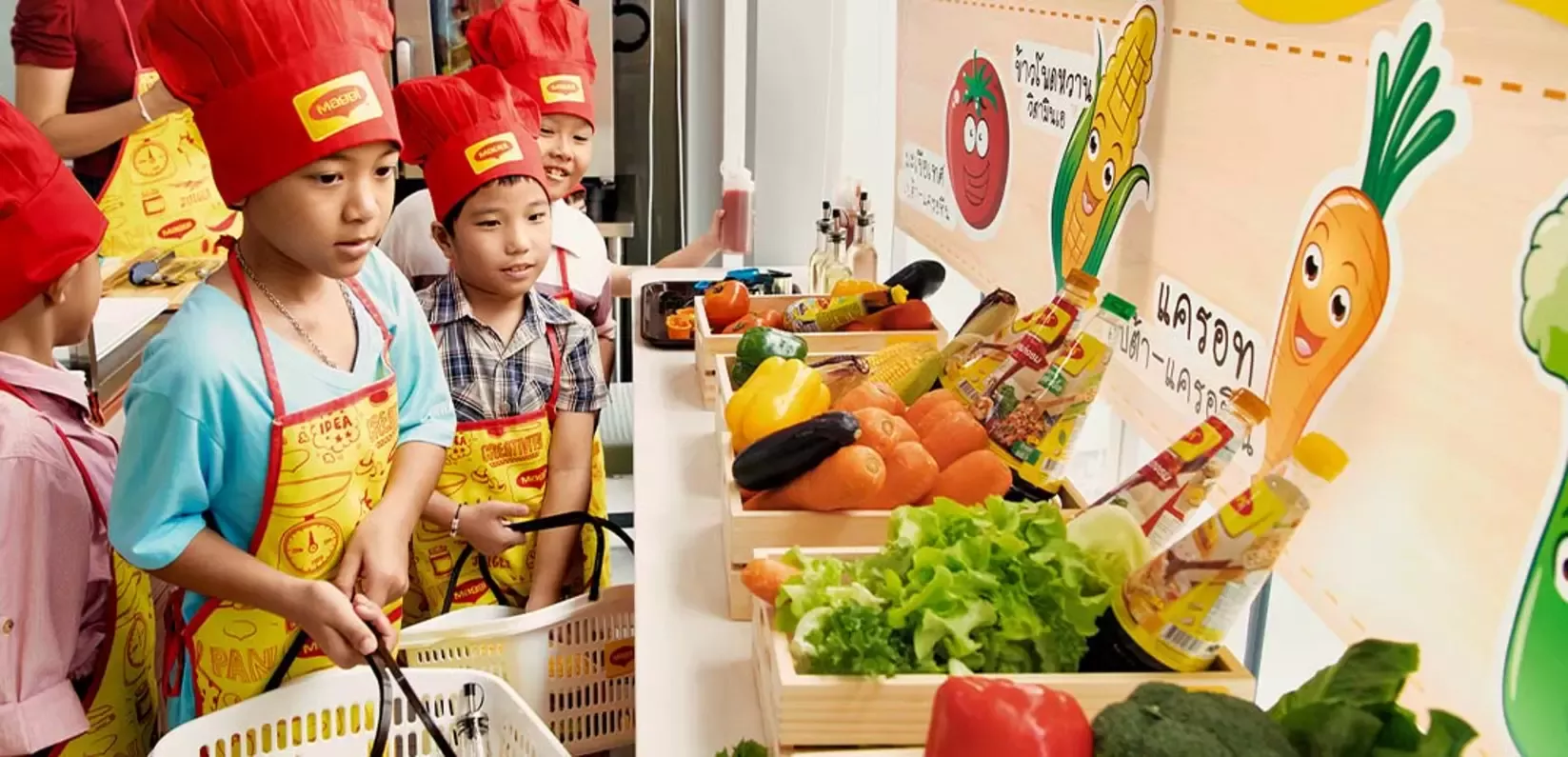
From school programs to social media, we are providing parents with everyday tips and advice on involving kids in meal preparation.
We want to make food a fun and engaging part of life and we hope to inspire children to make healthy eating and lifestyle choices that set them up for the rest of their lives.
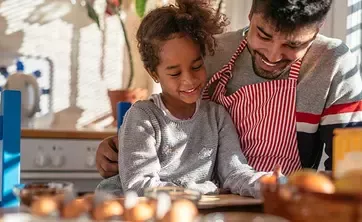
For example, we encourage families to involve children in shopping, handling ingredients and preparing meals. We also collaborate with social media influencers who share ideas on how to involve kids in the kitchen. Plus, we have videos that encourage families to let kids pick their own fruit for breakfast.
In addition, we make things fun by using storytelling techniques and we make drinking water more appealing by showing how to infuse it with fruits.
Promoting healthier kids around the world
In the Philippines, Nestlé for Healthier Kids activities include the Nestlé Wellness Campus, run in collaboration with the national Department of Education, and the Bear Brand Tibay calculator, in partnership with the country’s Food and Nutrition Research Institute.
In Brazil, the Nestlé for Healthier Kids Award celebrates projects that transform school environments to encourage healthier habits. It has benefited more than 44 000 children in five years. An interactive exhibition ‘Nutrition, Movement and Fun’ in São Paulo, has welcomed more than 70 000 visitors since opening in May 2022.
In Chile, the 12-year-old program was relaunched in 2023 with 36 new digital educational resources. The content now reaches an additional 15 000 children and has generated over 38 000 views on the ‘Nutrition, Movement and Fun’ YouTube channel.
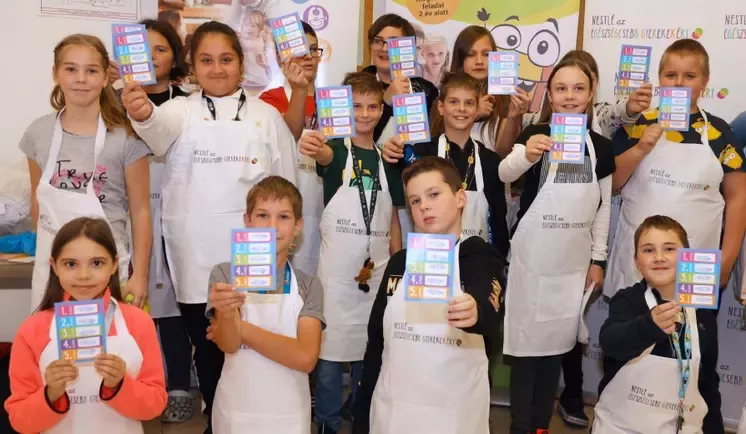
In Hungary, we run a nationwide digital campaign and educational challenge called Etesd az Eszed (Feed your brain), in cooperation with Okos Doboz (Smart Box), the largest Hungarian digital education platform. The aim of the classes is to increase children’s knowledge of healthy lifestyles, nutrition and sustainability topics.
Inspiring people to enjoy balanced diets
MyMenu IQTM is now available via 30 websites and measures the nutritional balance of a meal on a scale from 0 to 100 to help people combine foods for nutritional balance. In the Philippines, our nutrition experts worked with the Food and Nutrition Research Institute (FNRI) to create an interactive online tool, the Tibay Calculator. The calculator offers parents valuable feedback on the nutritional value and diversity of their children’s diet. The tool is designed to be used to offer feedback on the diets of more than 500 000 children, and in turn, supporting their nutrition.
In Pakistan, where lots of children suffer from iron deficiency, our teams rolled out the Iron Calculator. This assesses dietary intake data to help educate parents about what to include in their children’s diet to boost their iron levels. Educational initiatives such as Nestlé for Healthier Kids help spread awareness and share knowledge about the importance of nutrition and healthy eating.
In alignment with our marketing to children policy, we work with social media influencers to inspire kids in the kitchen and use storytelling techniques to encourage them to eat more vegetables, using ingredients as characters. We help make drinking water more fun by showing how to infuse it with fruits.
In Central and West Africa, we run our Live Strong with Iron campaign that promotes iron-rich foods.
Empowering chefs
The Green Spatula Award, created by Nestlé Professional and Worldchefs, honors chefs who combine culinary excellence with sustainable practices—like reducing food waste and choosing eco-friendly ingredients. It supports the EAT Foundation's vision by encouraging chefs to guide consumers toward healthier, more balanced diets. After a successful 2024 launch in Singapore, the awards expanded to the UK and USA, with more countries to follow. A global toolkit now supports its rollout in other geographies.
Discover the full case study
On International Chefs Day 2025, leveraging the theme - Food Explorers - Nestlé Professional and Worldchefs welcomed chefs around the globe to deliver creative, locally tailored workshops. Activities ranged from sensory workshops to farm-to-table lessons, all designed to spark imagination and promote lifelong healthy eating habits. The events were led by over 6200 chefs and engaged more than 179 000 children.
Empowering parents and caregivers
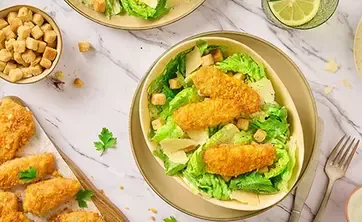
Our Nutriplato initiative has been helping to bring a balanced diet within reach of thousands of people in several European countries including France, Italy, Romania, Spain, as well as in Latin America, over the last five years. The principle is that meals should contain a large portion of vegetables, a protein-rich food (meat, eggs, fish, lentils or beans) and a portion of either whole grain pasta, brown rice or potatoes.
The Nutriplato kit helps people visualize how much food from each of these food groups they should aim to eat. It consists of a plate illustrated to show the space each food group should take up, and a booklet containing science-based nutritional guidance and seasonal recipes that are quick and easy to prepare.
Results from a survey in Spain in March 2022, showed that 92% of participants had changed their nutritional habits thanks to Nutriplato.
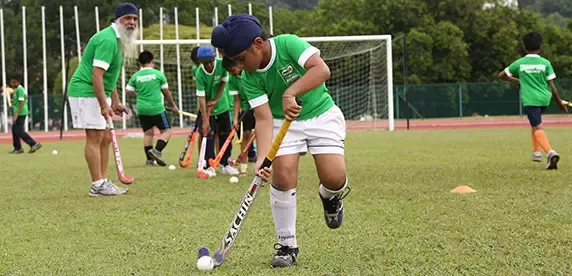
Milo inspires millions of kids to grow with sports.
Doing sports regularly is essential to a healthy lifestyle, but too often kids prefer to stay home playing with electronic devices. At Milo, we believe that sports is essential for kids development because it teaches them life skills and values that helps them succeed in life. This is why we are committed to enabling more kids to play sports regularly.
We engage with more than 20 million kids every year through grass roots sports events, engaging technology such as the Milo Chamsquad app and our iconic partnership with FC Barcelona that provides unique coaching experiences.
Made with simple ingredients such as malt barley, milk, sugar and cocoa, Milo products are continuously improved to deliver the nutritious energy that children need to grow with sports.
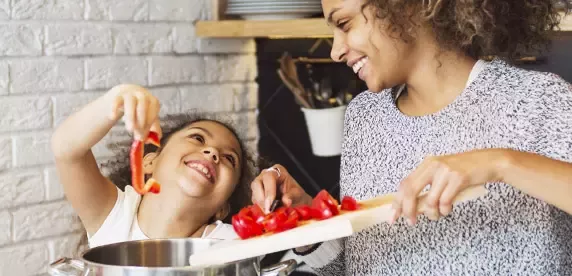
Maggi helps millions of families to cook tasty and balanced meals.
Both Nestlé studies and peer reviewed studies have shown that when kids cook with their parents, they are more likely to eat food they often reject, like vegetables or salads.1
Studies carried out at the Nestlé Research Center in Lausanne and led by nutritionist Dr. Klazine van der Horst, found that children who were in the kitchen cooking with a parent ate more overall of their meal, and a significantly larger amount of vegetables.2
At Maggi, we understand the power of homemade cooking. This is why we want to inspire families to cook tasty and balanced homemade meals everyday, with the fresh ingredients they love.
We are transforming our products in more than 150 countries, with familiar and more nutritious ingredients.
We are also deploying an ambitious cooking education programme for parents and kids, with recipes, simple cooking tips and online courses. So that picky eaters simply become less picky.
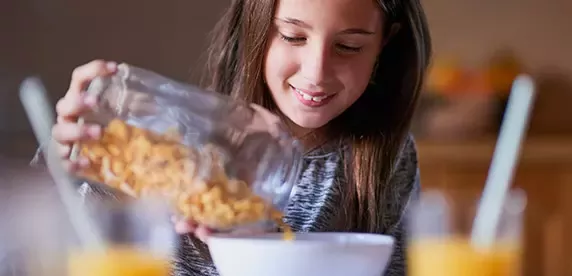
Nestlé Breakfast Cereals inspires families to enjoy a balanced breakfast.
Studies show that many children are not getting enough whole grain in their diets. Too often they skip breakfast or do not get enough from it.
At Nestlé Breakfast Cereals, we believe that a better breakfast is more than a good start to the day - it’s the foundation for a better future.
We’ve made whole grain the number one ingredient in our children’s products and are further reducing sugar. Most of our breakfast cereals for children are also fortified with at least seven vitamins and two minerals.
We’re helping parents create a balanced breakfast, with guidance on portion size and inspiring food combinations, so that children can enjoy a nutritious and tasty start to the day.
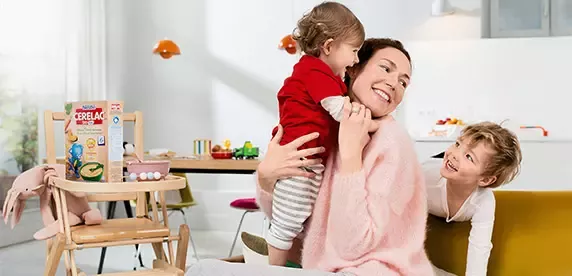
Many children suffer from deficiencies in essential vitamins and minerals such as iron. Worldwide 40% of pre-schoolers are anaemic.3
That is why Cerelac infant cereals are fortified with key micronutrients (iron, zinc, vitamin A and vitamin C).
Cerelac is suitable as a first complementary food for infants, gradually introduced, when breast milk alone no longer meets the baby's growing nutritional requirements, as advised by healthcare professionals as of 2025.
A recent study in India showed that young children who consume fortified cereals have a reduced risk of iron deficiency anaemia.4
Nestlé offers no sugars added versions of children cereals in all countries where we operate.
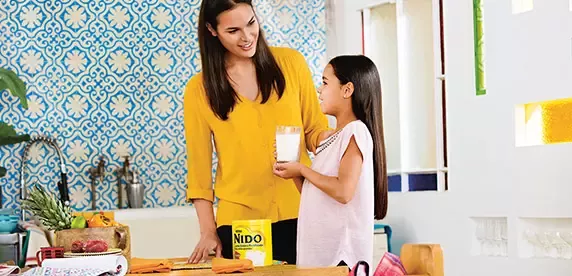
Nido supports mothers’ love to nurture a healthy future for their children.
Raising well-rounded, self-confident children capable of finding their path in life is no easy job. It requires effort, dedication, perseverance, even courage…and a bit of help.
That is why Nido has been by the side of mothers for generations, supporting children’s comprehensive growth and development.
Nido offers tailored nutrition from toddlerhood to school age, with a range of dairy-based products that answer to the specific evolving nutritional needs of children, from macronutrients like proteins to well-balanced fortification with iron, zinc, B-vitamins, etc.
Furthermore, our stimulation and service platform for children’s cognitive and social development helps parents find the parenting style that best suits them. Through our products and services, we help every mother to raise marvelous, unique individuals that will find their own path in life.
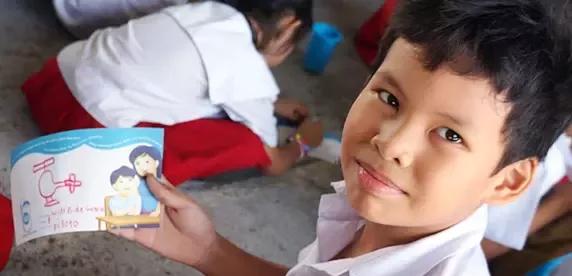
Bear Brand provides strength by fighting micronutrient deficiencies.
Micronutrient deficiency (MND) affects millions of families around the world. It can lead to weak immune systems, reduced mental capacity and poor growth especially amongst children; thus risking trapping families in a vicious cycle of weak health and reduced income.
At Bear Brand, we believe that nutrition deficiencies should not stop families from pursuing their dreams of a better life. Through our NutriStrong fortification we provide strength by tailoring our products to the specific nutritional gaps of each country.
With our campaigns and nutrition education programs we help families to be healthier and stronger.
1 US Department of Agriculture, Economic Research Service. Children Were Only Age Group Improving Whole-Grain Intakes—School Foods Are a Key Factor | Economic Research Service Accessed Jan. 2, 2026 and Meynier et.al., Nutrition (2020) "Main Factors Influencing Whole Grain Consumption in Children and Adults—A Narrative Review".
2 Van der Horst et.al, Appetite, (April 2014) (Nestlé financed research), and Dean et al. (2021) "Guidelines for designing age-appropriate cooking interventions for children: The development of evidence-based cooking skill recommendations for children, using a multidisciplinary approach". Appetite, 161.
3 WHO Global Database on Anaemia and the Global Burden of Disease studies
4 Awasthi et al. (2020) — British Journal of Nutrition, "Micronutrient-fortified infant cereal improves Hb status and reduces iron-deficiency anaemia in Indian infants: an effectiveness study", (Disclosure: Co-funded by Nestlé Research) and Foetedar et. al., National Library of Medicine, (2018) PMC/NCBI "Effectiveness of iron-fortified infant cereals on hemoglobin levels of children aged 12–24 months: A cross-sectional study from New Delhi, India"