Supporting access to safe water for communities
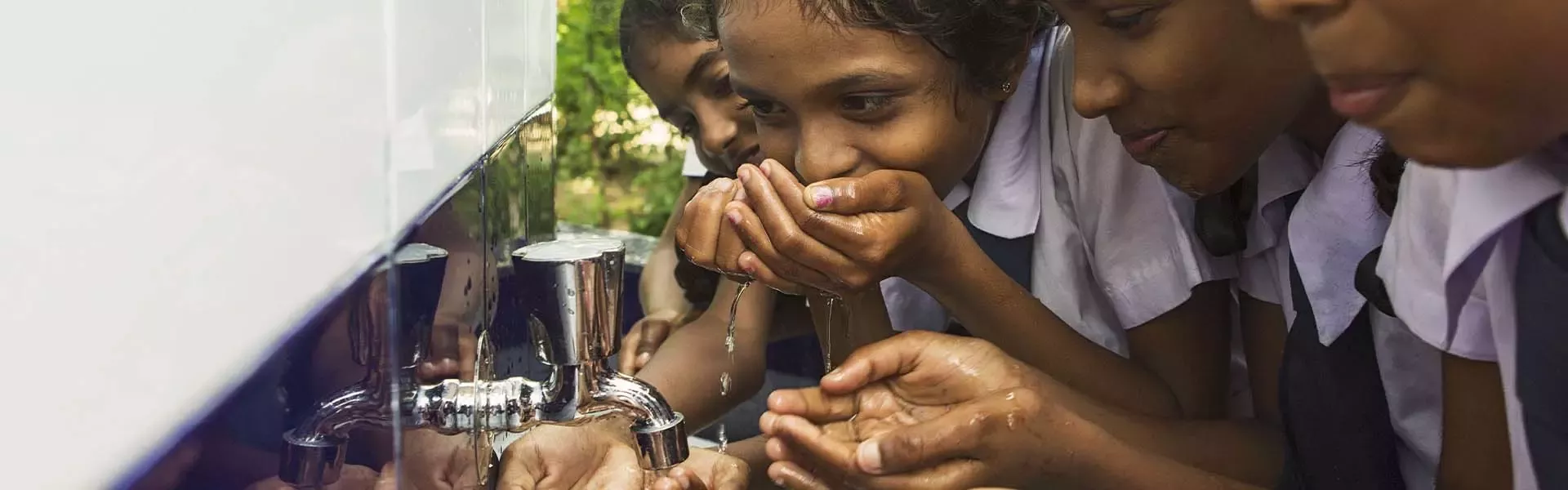
We are committed to promoting the right to water and sanitation.
Clean water accessibility and sanitation is a basic human right. Safe water, sanitation and hygiene (WASH) contribute to health, well-being and community resilience.
We are working with local organizations and partners to increase WASH access for people in the communities where we operate.
Supporting WASH programs for local populations
Establishing effective WASH initiatives in local communities where we operate is crucial. Different communities have different priorities. To support our initiatives’ impact, our bottled-water business uses the Community Relations Process tool to engage with local communities and help provide WASH where needs are identified.
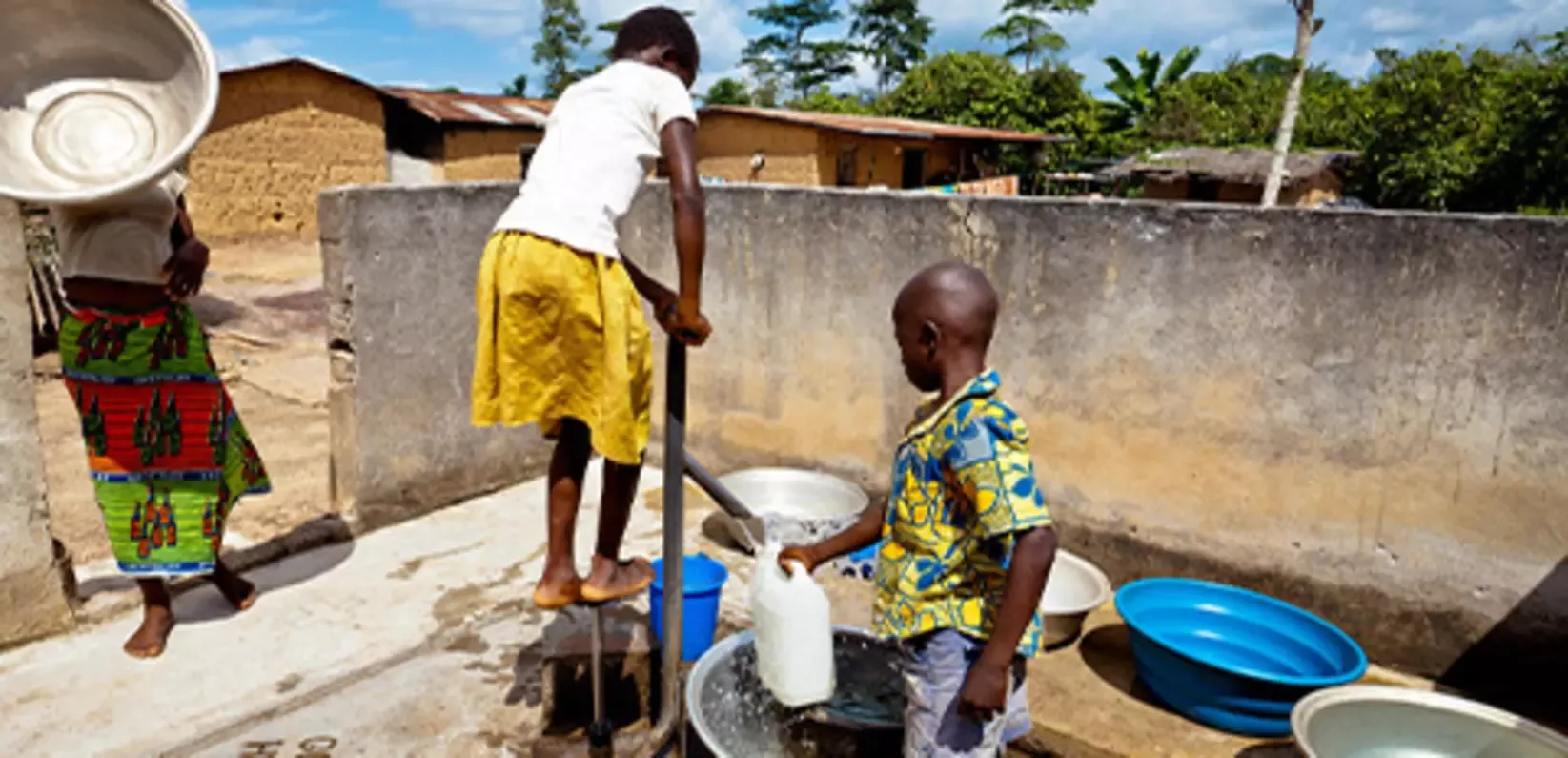
Water and sanitation: A human right
In addition to providing safe drinking water and sanitation for Nestlé employees, we support access to water for the communities surrounding our direct operations. At the start of 2023, we launched our new Human Rights Salient Issue Action Plan on the Right to Water and Sanitation. The action plan reinforces WASH at the heart of our water stewardship activities and is aimed at focusing our attention on preventing and mitigating WASH risks in our operations and agricultural supply chain.
Key terms explained
Water stewardship
Water stewardship for Nestlé means taking a holistic approach to water use across our operations and supply chains, including:
Water stewardship
Water stewardship for Nestlé means taking a holistic approach to water use across our operations and supply chains, including:
- Managing water resources in and around our sites, with actions tailored to local watershed needs and risks.
- Supporting the right to water, including access to safe water, sanitation, and hygiene (WASH) for workers and communities surrounding our factories.
- Supporting environmental outcomes through projects designed to help improve water quality, strengthen local water resilience, and support biodiversity.
- Delivering transparent, third-party verified results through certification (e.g. AWS), public reporting, and independent performance measurement (such as the Volumetric Water Benefit Accounting methodology).
- Engaging in collaborative action with stakeholders, including local communities, farmers, NGOs, and public authorities, to address shared water challenges and drive systemic change.
Strengthening communities through water access
Helping improve water quality and infrastructure in Egypt
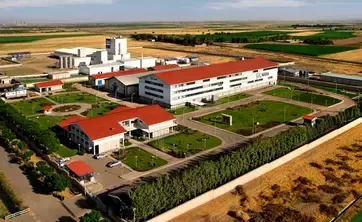
Benha, Egypt is home to one of our bottling facilities and the local community of Kafr Arbeen. This village of 27 000 people was lacking much-needed access to clean water. So, together with local municipalities, we worked to help address the issue.
We replaced the old water storage tank with a new larger one and improved the pumping efficiency of the existing well. On top of this, we installed a new filtration system and expanded the piping network so that more people can have clean running water in their homes.
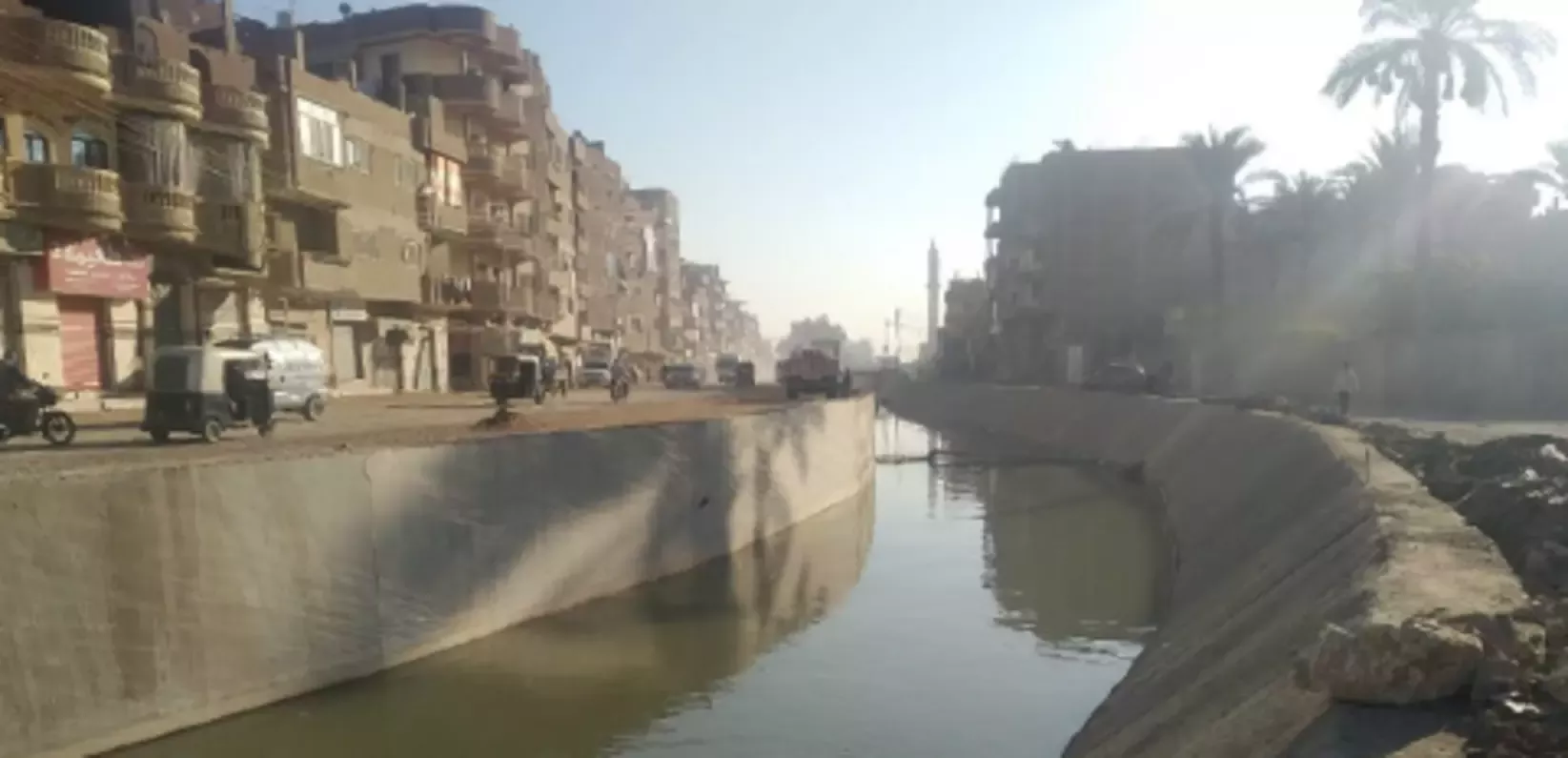
We also looked at the rehabilitation of the Senaity canal. Kafr Arbeen is surrounded by a vast amount of agricultural land; however, the main source of water for the land was not meeting the needs of the local community. The canal was polluted with waste and the broken walls were leading to water leakages.
We started by clearing the waste, then we worked to reinforce the canal floor and walls with concrete to prevent water from leaking and improve the flow of water to agricultural land. This supported crop health and yields, with the aim of improving farm profitability and outcomes for the local community.
WASH in Pakistan
Pakistan is one of the most water-stressed countries in the world, with the bulk of its freshwater being used in agriculture. On top of this, in 2022, the country faced extreme drought and water shortages followed by the worst monsoon floods in a decade, with countless homes washed away and vital farmland destroyed.
All four of our factories and other sites in Islamabad, Kabirwala, Port Qasim and Sheikhupura meet the WASH pledge requirements, strengthening the rights of over 7 500 employees. In addition, we have set up six drinking water facilities, which provide access to clean and safe water to over 60 000 people every day, and are regularly monitored for quality.