Sugar sourcing
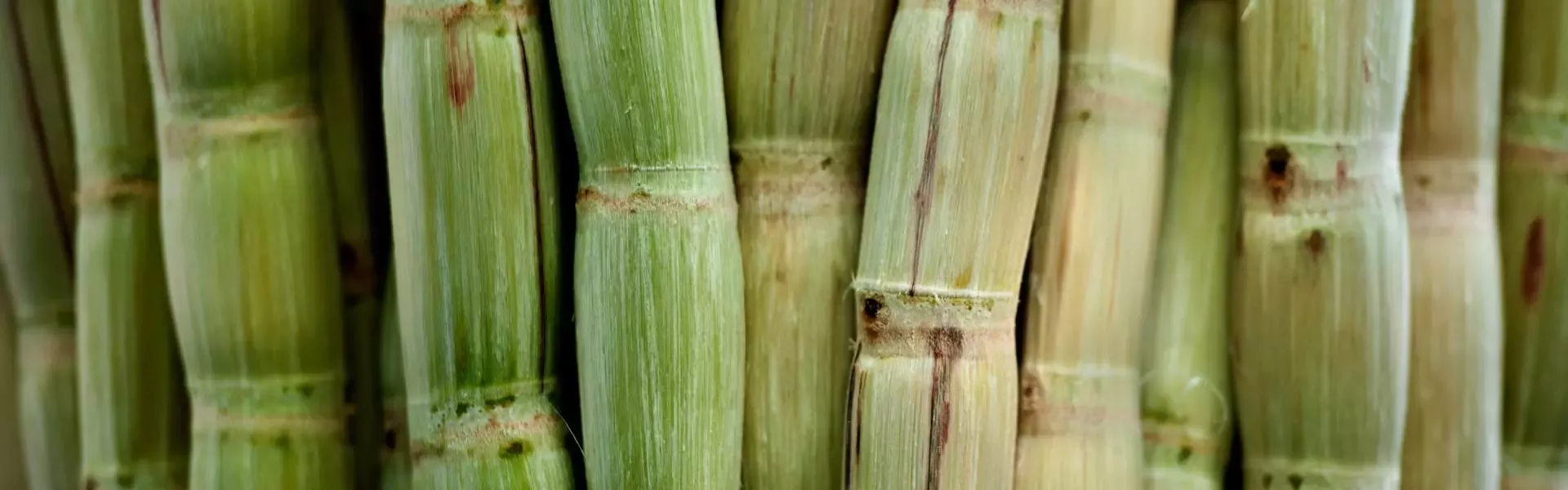
Sugar is an essential ingredient in many of the foods and beverages we produce.
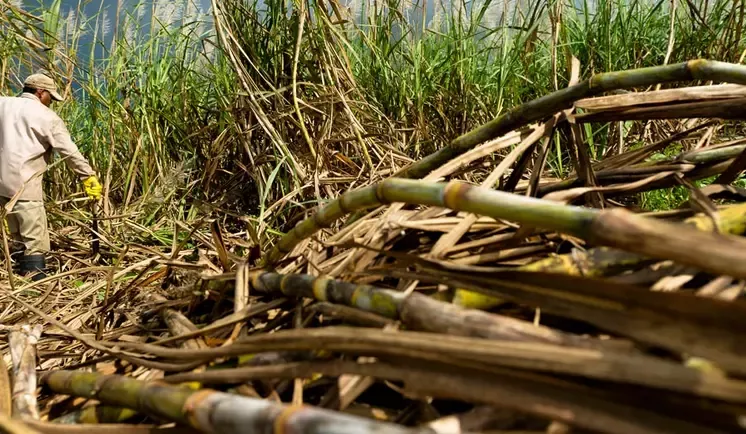
We source both sugarcane and sugar beet from more than 160 suppliers and 60 countries. Sugarcane harvesting can be dangerous and labor conditions are often challenging. We are committed to working with our suppliers to help uphold labor rights, for example by tackling child labor risks and seeking decent pay and working conditions for employees. Sugar production can also be associated with deforestation risks.
Our progress
96.82
%
This performance number differs from the one available in our Non-Financial Statement 2025 due to a change in the methodology during the first half of 2026. Now we consider ingredients volumes converted back to their original fresh state, instead of their processed form. Learn more in the Environmental Disclosures section of our 2025 Non-Financial Statement (pdf, 16Mb).
Key terms explained
Deforestation-free
Deforestation-free means that commodities in scope were assessed as produced on land that has not been subject to deforestation or conversion after a specific cut-off date that varies by commodity, but no later than December 31, 2020. Commodities accounted as deforestation-free include in part commodities subject to the requirements of the EU Deforestation Regulation. However, the scope of disclosed metric goes beyond these jurisdiction-specific mandatory requirements as part of Nestlé’s global approach on deforestation. Read more about deforestation-free.
Deforestation-free
Deforestation-free means that commodities in scope were assessed as produced on land that has not been subject to deforestation or conversion after a specific cut-off date that varies by commodity, but no later than December 31, 2020. Commodities accounted as deforestation-free include in part commodities subject to the requirements of the EU Deforestation Regulation. However, the scope of disclosed metric goes beyond these jurisdiction-specific mandatory requirements as part of Nestlé’s global approach on deforestation. Read more about deforestation-free.
Our approach to sourcing sugar
A deforestation-free sugar supply chain remains one of our key focuses. Aiming for more transparency and traceability of our sugar supply chain helped us to reach 96.82% in 2025. We use a combination of tools, including supply chain mapping, on-the-ground verification and geographic information system (GIS) analysis to assess that the sugar we buy is deforestation-free.
In addition, we aim to source from mills where the operations, as well as the farms and plantations that supply them, comply with local laws and regulations and our Responsible Sourcing Core Requirements (pdf, 2Mb). Learn more in the Environmental Disclosures section of our 2025 Non-Financial Statement (pdf, 16Mb).
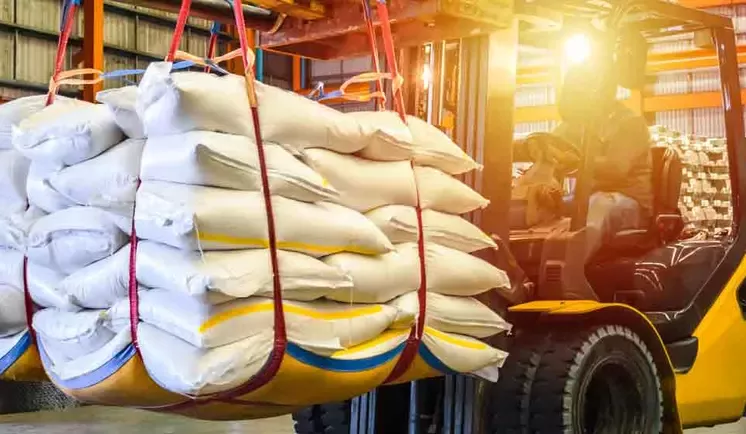
Assessments have identified a range of challenges in some of the countries where we source sugar, including child labor risks, working and living conditions for sugarcane cutters, and environmental challenges like deforestation and agrochemical applications. Together with our suppliers and implementing partners, such as Proforest, we are actively working to address them.
To drive industry-wide transparency, we have published the list of our sugar suppliers (pdf, 700Kb) and the list of the mills in our supply chain, along with their countries of origin.
Key terms explained
Responsible sourcing
For Nestlé, responsible sourcing means improving the traceability of our ingredients and monitoring how they are produced. This involves applying our environmental and human rights requirements - detailed in our Responsible Sourcing Core Requirements (pdf, 2Mb) - at the different stages of our supply chain. Examples of these requirements include that land and resources of Indigenous Peoples and local communities are respected, and that no deforestation and no conversion of forests and other ecosystems occur in our supply chain. Read more about responsible sourcing.
Responsible sourcing
For Nestlé, responsible sourcing means improving the traceability of our ingredients and monitoring how they are produced. This involves applying our environmental and human rights requirements - detailed in our Responsible Sourcing Core Requirements (pdf, 2Mb) - at the different stages of our supply chain. Examples of these requirements include that land and resources of Indigenous Peoples and local communities are respected, and that no deforestation and no conversion of forests and other ecosystems occur in our supply chain. Read more about responsible sourcing.
Mapping and assessing our suppliers
We work with Proforest to map our sugar supply chain and assess our suppliers, with the aim of tracing the sugar we source back to the sugar mills across our global supply base.
The assessment process may include exploratory and full site visits, as well as analysis of traceability. Findings inform the development of strategies for mills to improve practices, implement changes and roll out appropriate training across their supply bases.
Human rights of workers and children
During harvest periods in many countries, such as Côte d'Ivoire, Mexico and Thailand, large numbers of temporary migrant workers live and work in sugarcane-growing areas. The nature of this workforce accounts for many social risks within the supply chain.
As part of our Human Rights Framework and Roadmap, we have developed action plans for the most salient issues in our supply chains. Child labor and access to education, the right to water and sanitation, and safety and health at work have been identified as key challenges within the sugar supply chain. These challenges can include limited access to sanitation and potable water; overcrowding and a lack of personal space and privacy; children not in school and potentially exposed to hazardous conditions; and limited access to safe working practices, such as the appropriate use, storage and disposal of chemicals. We have several interventions in place to address these risks, with a particular focus on improving conditions for workers and children in Mexico.
We work with Proforest to support our major sugar suppliers in Mexico in improving working conditions for cane cutters. This includes the Health and Safety on Field Project, which we helped launch in the fields supplying the Central Casasano mill in Morelos State. The project is a collaboration with Proforest, Beta San Miguel Foundation, the social and sustainability arm of Beta San Miguel Group, and the mill’s production and quality committee (CPCC).
Harvesting sugarcane and transporting it to mills is demanding work, with several potential health and safety risks for workers in the field. Issues can include high temperatures, and limited access to potable water, personal protection equipment (PPE) and preventive training on health and safety. The project seeks to address exactly these challenges, comprising targeted activities on hydration and use of PPE alongside efforts to foster a stronger safety culture.
Initial field assessments identified specific opportunities to improve working practices and deeply rooted cultural barriers to the uptake of preventive measures. Examples of such cultural barriers include misconceptions on PPE use (that using PPE can reduce productivity) and upholding legacy ways of working (generations before did not use PPE). The project therefore engaged all stakeholders from the start to build a consensus on safety and a recognition of shared responsibility for all actors in the supply chain.
To overcome the long-established cultural norms standing in the way of adopting PPE and safer working practices, the project has implemented a range of awareness-raising and training approaches. Topics include hydration, shade and rest (HSR); heat stress prevention; first aid; and the correct use of PPE. The project team used practical field sessions to reinforce learnings.
Extensive monitoring mechanisms, to ensure equipment is used and behaviors change, were also put in place. This is especially important, as field teams are often distributed across a wide area. Not only did this strengthen overall oversight, but it has also enabled the project team to track progress, identify gaps and improve their implementation efforts.
The initiative has reached all workers in the area supplying Central Casasano mill. Though some challenges remain, such as the long-term adoption of preventive practices, there has been excellent progress in increasing awareness and improving practices, particularly around hydration. The project team continues to work to fully embed a culture of prevention, modeling a new approach for sugarcane field worker safety throughout Mexico.
Collaborating with partners and governments
Working with smallholders in the Philippines
We have an ongoing, multi-stakeholder program based on Proforest’s ACRES framework: Agricultural Commodity Responsible Production and Sourcing that aims to address risks and improve sugarcane smallholder livelihoods in the Philippines’ largest sugar producing region.
Proforest assessments identified various sustainability risks, including child labor. Nestlé and Proforest concluded that the Responsible Sourcing for Smallholders (RSS) framework could help stakeholders build on existing initiatives and provide clear direction. Since then, we have been actively working on the identified action plan.
In partnership with three independent local mills, each sourcing from a common pool of small cane planters, we used this plan to introduce activities that address key risks such as child labor, inadequate personal protection equipment (PPE) and cane residue burning. The plan also addresses farmers' needs, such as input access and know-how, affordable finance, alternative livelihood support (for example, vegetable gardens), soil management and irrigation.
Additionally, the RSS introduced the Comprehensive Assistance to Small Holders (CASH) for Farm Productivity Program. As well as facilitating soil analysis tests and providing coaching, the CASH program gives all participating Agrarian Reform Beneficiary Organizations (ARBOs) additional livelihood support, high-yielding varieties cane points and access to other soil fertility initiatives from mills.
In 2022, Nestlé received the Bonsucro Inspire Award for the 'Best Social Sustainability Initiative' for the Integrated ARBO Child Labor and PPE Program, which is a part of the broader RSS initiative. The program focuses on institutionalizing the prevention of child labor and promoting the appropriate use of PPE among ARBOs in Negros Occidental, the Philippines. The program empowers the leaders of farmer organizations, through knowledge building and participatory decision making, to raise awareness on critical social issues in the community.
Among the activities conducted are adult-supervised educational projects, such as vegetable gardens or vermicomposting. These activities focus on facilitating communal activities with children above the legal minimum age to learn useful life skills, while also generating a small income.

Improving conditions for seasonal sugarcane workers in India
Seasonal workers on sugarcane harvests in India, particularly the large number of migrant workers who travel long distances to work on plantations, can face multiple challenges in their living and working conditions. These challenges are often linked to complex, interconnected root causes, which can range from weak labor management systems to poor housing conditions for workers, to parents having to bring their children to the fields because there is no safe place to leave them while they work.
To address the child labor risk, we joined the ILO Child Labour Platform in India. The ILO is currently setting up work in Karnataka covering sugarcane, coffee, and spices, under an agreement with the State Government and with the support of several global buyers. This work aims to strengthen social dialogue and access to social protection for migrant workers, as well as support collaborative action on root causes, prevention and remediation of child labor risks.
In addition, Nestlé has been partnering with its suppliers, Proforest and The Centre for Child Rights and Business (The Centre) on two projects to improve this situation. Given the complexity of the supply chain, both projects started with detailed assessments to better understand the issues and address them.
- Our work with The Centre (started in 2025) revealed specific needs for better housing for migrant workers, more shaded rest areas in sugarcane fields and safe spaces for children. By the end of the year, the collaboration with our supplier had already generated tangible results. New communal living areas are under construction, with electricity, clean water and gender-segregated toilets. Temporary shade structures have been set up near sugarcane fields. There is now a dedicated, child-friendly space where children can learn and play under supervision, rather than having to follow their parents as they work.
- Working with Proforest, multiple stakeholders were engaged across Karnataka State to map root causes and gaps in existing efforts, enabling us all to plan a collaborative way forward to address risks related to wages, living and working conditions, forced labor and children's rights. This plan involves several underlying drivers, including improving access to education for the children of migrant workers and strengthening labor management systems at mills and plantations. strengthening workers' voice.